
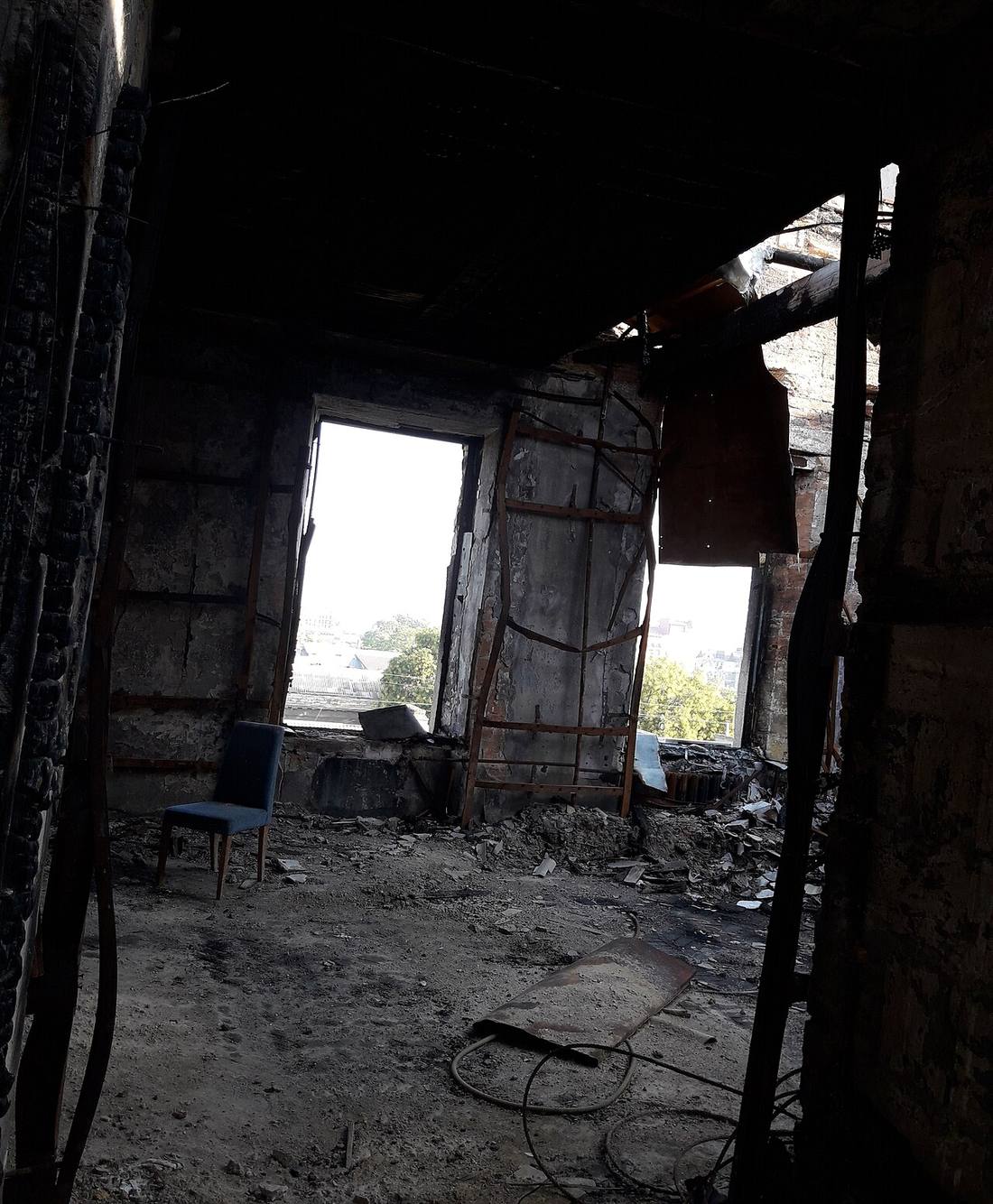
Fire Damage Restoration
Soot cleaning, odor removal, and drying after a kitchen fire, with the water left behind by fire hoses handled at the same time.
Learn more about fire damage restoration in Rockwall, TX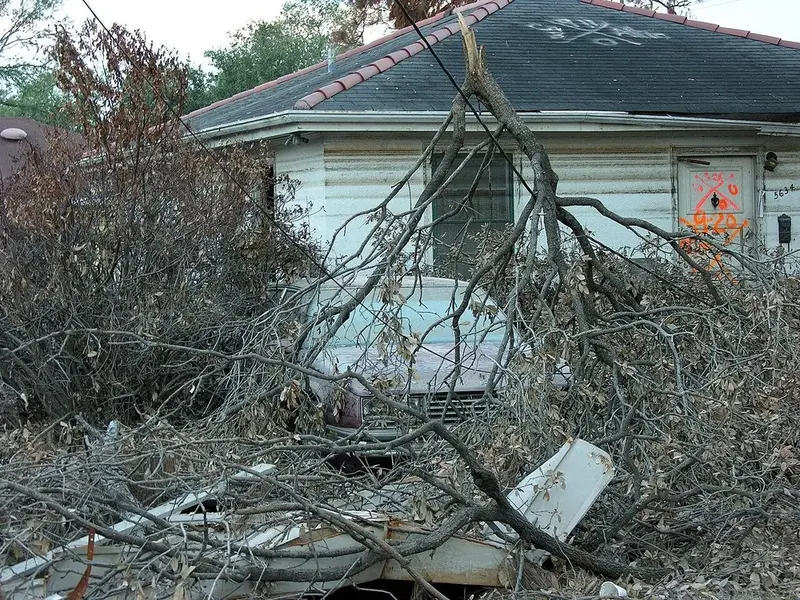
If your home has a burst pipe, a flooded kitchen, or storm water coming in, call (945) 422-7610 now.
One call connects you with a local provider serving Rockwall, Rowlett, Fate, and Heath.
If your home has a burst pipe, a flooded kitchen, or storm water coming in, call (945) 422-7610 now. Water damage restoration Rockwall TX connects you with a local provider in town for extraction, drying, and mold prevention, any time of day or night. One call gets you help fast. Do not wait while water spreads into drywall and flooring, because the longer it sits, the further it travels and the harder it is to dry.
Updated: November 2026
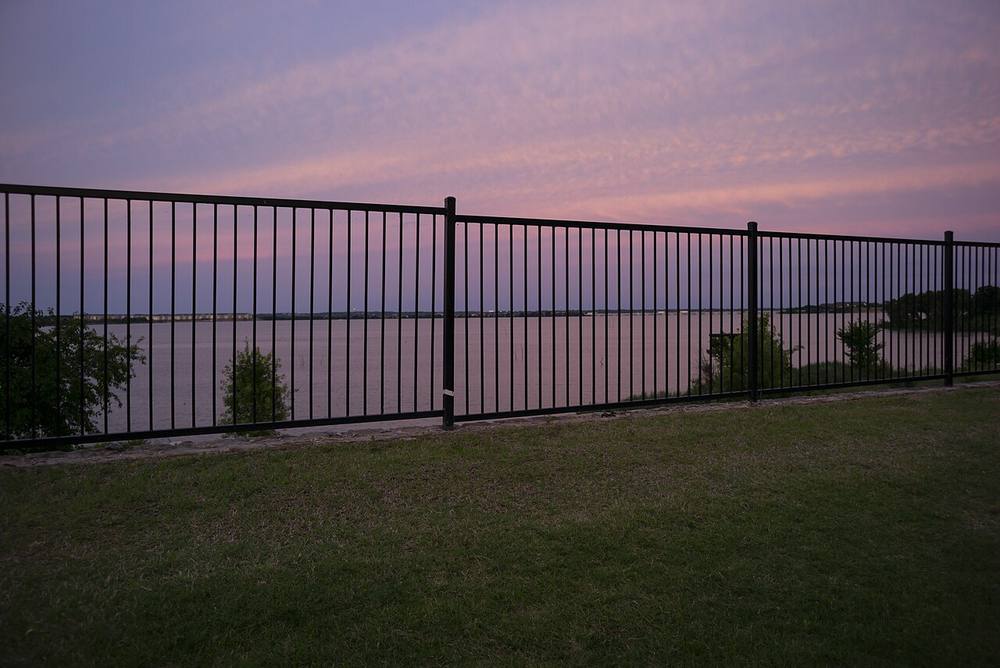
Living near Lake Ray Hubbard means humidity stays high most of the year. When a Texas storm drops heavy rain in a short time, gutters overflow and water finds the low spots. Homes along the I-30 corridor and SH-205 see street water push into garages and ground floors. That is the pattern again and again, and it is why water damage cleanup Rockwall TX calls spike after every big storm.
Most homes here sit on a concrete slab. A pinhole leak under that slab may not show as standing water. You notice a warm spot on the floor, a water bill that jumps, or the sound of running water when every faucet is off. Left alone, it softens drywall and feeds mold inside the wall. Early drying saves floors, and a moisture meter can find what your eyes cannot.
In winter, pipes in attics and exterior walls can freeze and burst overnight. In summer, the calls shift to a fridge line, a dishwasher hose, a washing machine hose, and a water heater that lets go in the garage. Each one can release a large amount of water in a day. Roof leaks after hail do the same, just slower. A local provider will tell you what to do next, and water damage restoration Rockwall TX help is one call away, day or night.
Common calls we connect include burst pipes, water heater leaks, appliance leaks, slab leaks, roof leaks, AC condensation backups, and sewage backups. If you are not sure what kind of water you have, call and describe it. The kind of water matters, because it changes how the cleanup is handled.
Slab leaks are the quietest water problem in Rockwall, and one of the most common. Most North Texas homes built after 1970 sit on a concrete slab, with the water and drain lines running through it. Under the slab is Blackland Prairie clay, montmorillonite clay that can swell up to 30% when wet, and the soil moves with the seasons: drought shrink in late summer, swell in the fall storms, freeze in winter, saturation in spring. That movement works on the pipes until one gives way.
A slab leak rarely shows as standing water. The signs are a water bill that jumps with no change in use, the sound of running water when every faucet is off, a warm spot on the floor where a hot line is leaking, damp flooring, or cracks in the floor or wall. The meter test settles it: turn off every tap and appliance, then check the meter. If it is still moving, water is going somewhere it should not. A provider finds the leak with a pressure test, then pinpoints it with listening equipment and sometimes a thermal camera, so the repair is small and the drying is measured. Learn more about slab leak detection in Rockwall, TX.
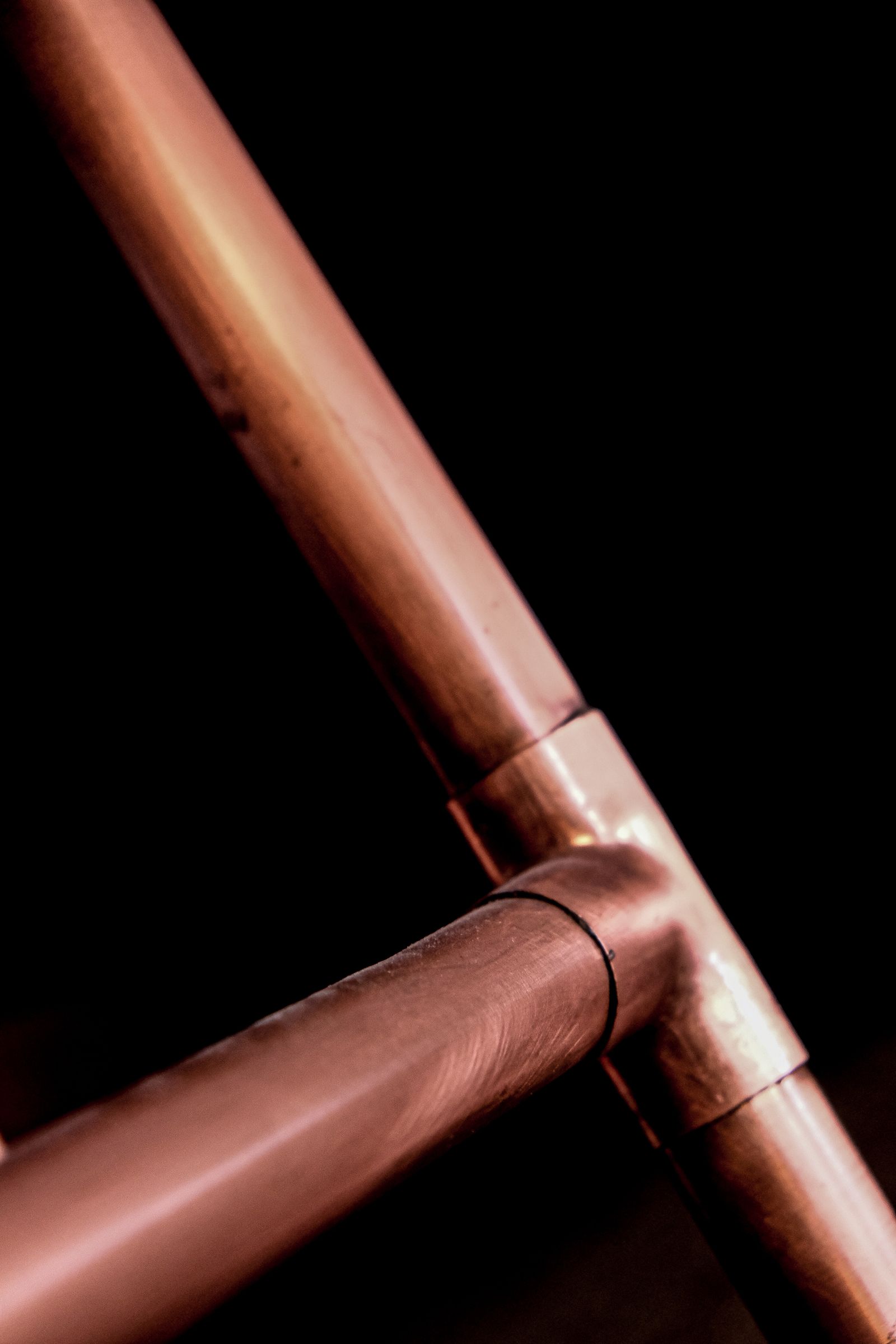
The ground under most Rockwall homes is Blackland Prairie clay, a montmorillonite clay that can swell up to 30% when it gets wet. That single fact explains more Rockwall water damage than any storm. The clay sits under a concrete slab, and the water and drain lines run through that slab — so when the ground moves, the pipes take the strain. Learn more about how slab leak detection in Rockwall works.
Montmorillonite clay absorbs water between its mineral layers and swells; in a dry spell it gives the water back and shrinks, opening cracks in the soil. The cycle repeats every year: drought shrink in late summer, swell in the fall storms, freeze in winter, saturation in spring. A concrete slab is rigid — it cannot flex with the soil — so the movement concentrates where the pipes pass through.
A supply line can develop a pinhole leak from corrosion and pressure, and a drain line can crack as the soil shifts. The water does not pool where the pipe broke. It follows the slab and the path of least resistance, so the wet spot can show up in a different room from the break. If you see a bill that jumps, a warm spot on the floor, or the sound of running water with everything off, see the 5 signs of hidden water damage in Rockwall homes.
Water under a slab soaks the subfloor and the bottom of the walls from below, where air cannot reach it. Drying works from the edges in, with air movers and dehumidifiers, and it is checked with a moisture meter rather than a calendar. See how structural drying in Rockwall works.
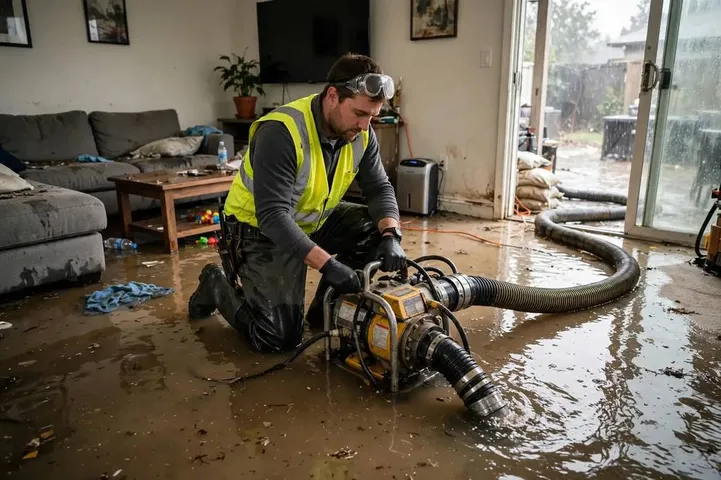
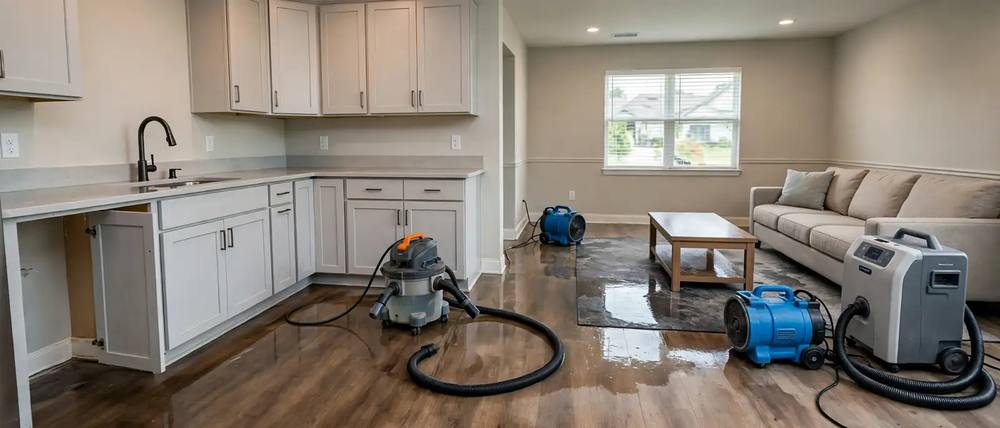
Flood water is the call we hear about most after a big storm, and it is the one with the least room for delay. Flood damage cleanup Rockwall TX starts with getting the water out, and flood water removal Rockwall TX is the first job on every flooded home, because standing water keeps soaking into floors, walls, and furniture for as long as it sits. The longer it sits, the further it travels.
Flood water cleanup Rockwall TX covers the rooms where storm water or lake water has come inside, and flood water extraction Rockwall TX is how that water is removed, with pumps and extractors sized for the job. After the standing water is out, the drying starts, with air movers and dehumidifiers, and moisture readings taken until the structure tests dry. Flood water is not clean water, so the rooms it touched need careful cleaning as well as drying.
Homes near the lake, homes at the bottom of a slope, and homes along streets where water collects are the ones that flood first. If your street has flooded before, it will flood again, and the time to think about what you will do is before the next storm, not during it. When the water comes in, call (945) 422-7610. A local provider can explain what to do first, what to stay away from, and how the cleanup usually goes.
We connect callers with local providers across Rockwall and the nearby towns of Rowlett, Fate, and Heath. ZIPs served include 75032, 75087, 75088, 75089 and 75132.
The Harbor has lakeside condos and restaurants right on the water, where a leak spreads fast through shared walls, so early drying matters. Downtown Rockwall has older homes near the Square with old pipes and attics that freeze, and slow leaks that turn into mold. Chandlers Landing has gated homes near the park facing lake humidity and heavy rain, where AC leaks and roof leaks are common calls. Turtle Cove and The Shores have waterfront homes dealing with grading and storm runoff. Lakeside Village and Hickory Ridge have family homes with slab foundations, where warm spots and high bills often mean a slab leak, not a surface leak. Breezy Hill and Stone Creek have newer builds near SH-205 that still get appliance leaks and water heater failures, where fast extraction saves flooring.
Beyond Rockwall itself, we connect callers in Rowlett, Fate, and Heath. Rowlett sits on the west shore of the lake and shares the same storm and humidity pattern. Fate is growing fast, with new builds that still get appliance leaks and water heater failures. Heath sits on the east shore, where lake humidity and older lakeside homes meet. Wherever you are in Rockwall County, one call is enough to start.
While you wait for a provider, there are a few safe steps you can take. Do only what is safe, and do not enter a room that feels unsafe.
Stop the source if you can do it safely, such as turning off the main valve for a burst pipe. Turn off power to wet rooms. Move rugs, electronics, and paperwork off wet floors. Do not use a household vacuum on water. Take photos for your insurance claim and keep receipts.
Do not wait to see if it dries on its own. In our humidity, water trapped under flooring will not dry on its own. It spreads. Clean water comes from a supply line. Gray water comes from a dishwasher or washing machine. Black water comes from sewage, so stay out of it and call now. Drying is checked with a moisture meter before anyone calls the job done.
Water damage in Rockwall, TX spreads faster than most homeowners expect. A burst pipe, a leaking water heater, a failed dishwasher line, or a storm that pushes water through a roof or window can soak drywall, insulation, subfloor, and cabinets within hours. In Rockwall County, warm and humid months around Lake Ray Hubbard make drying even more important, because moisture left behind in walls and under flooring can lead to musty odors and mold growth if it is not addressed quickly.
That is why calling early matters. When you call (945) 422-7610, you are connected with a local provider who can explain what to do next, what to avoid, and how the process usually works, from water extraction and drying to checking moisture levels and planning repairs. You do not need to guess which step comes first. The provider can help you understand whether the water came from a clean source, such as a supply line, or a more serious source, such as a sewage backup or storm flooding, and why that changes the cleanup approach.
While you wait, take simple, safe steps. If it is safe, shut off the water at the main valve, move dry items and rugs away from wet areas, and avoid walking through standing water near outlets or appliances. Do not enter rooms with sagging ceilings or strong sewage odors. Take photos of the damage for your records, and keep a short note of when you first noticed the leak. These small steps can make the provider visit smoother and help you explain the problem clearly on the call.
Rockwall homeowners in neighborhoods near Lake Ray Hubbard, Downtown Rockwall, and the surrounding areas of Fate, Heath, and Rowlett often face the same pattern, a small leak that looks minor on the surface, but moisture hidden behind walls or under flooring. A quick call, a fast response, and a clear drying plan are the best way to protect your home, your floors, and your peace of mind.
Calling is simple, and you talk to a real person who connects you with a local provider serving Rockwall. Here is how it usually goes, from the first call to the start of drying.
Call (945) 422-7610. Tell us where the water is, how long it has been there, and if power or sewage is involved.
A local provider checks the source and uses a moisture meter to find water behind drywall and under flooring.
Standing water comes out with pumps and extractors. Wet padding and damaged drywall are flagged for removal.
Air movers and dehumidifiers dry the structure, not just the surface. Readings are taken until wood and drywall test dry.
Surfaces are cleaned and treated so mold does not start. Then repair can begin.
The first visit sets the rest of the job. Before any water comes out, a local provider inspects the damage, reads the moisture in each material, and puts a plan together — so the work that follows is measured, not guessed.
The provider finds the source first, then traces where the water traveled — behind drywall, under flooring, into framing. The visible wet spot is rarely the whole story, and water that ran for hours can be in rooms that still look dry. See how water extraction in Rockwall works.
A moisture meter reads inside the material, not just the surface. Readings are taken on each wet material and written down, so drying has a target and a finish line — and so the insurance file has numbers, not just photos.
Extraction comes first, then drying with air movers and dehumidifiers, then repair once the structure tests dry. Photos and readings go into the file for the insurance claim. See how structural drying in Rockwall works.
One call connects you with a local provider for the help your home needs.
Soot cleaning, odor removal, and drying after a kitchen fire, with the water left behind by fire hoses handled at the same time.
Learn more about fire damage restoration in Rockwall, TX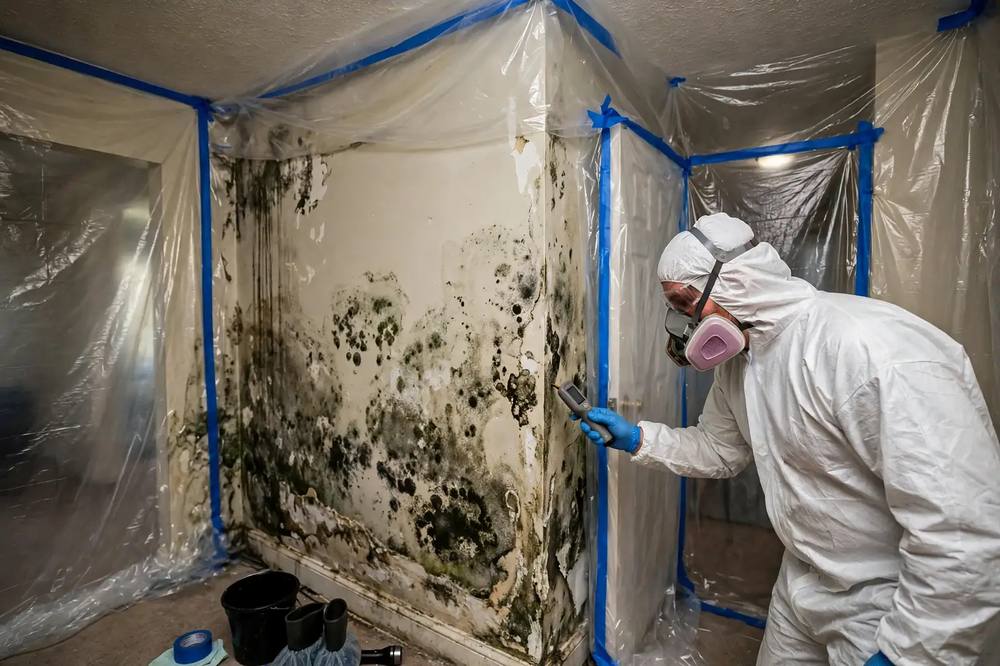
Containment and cleaning for musty smells and mold after a leak that was not dried in time.
Learn more about mold remediation in Rockwall, TX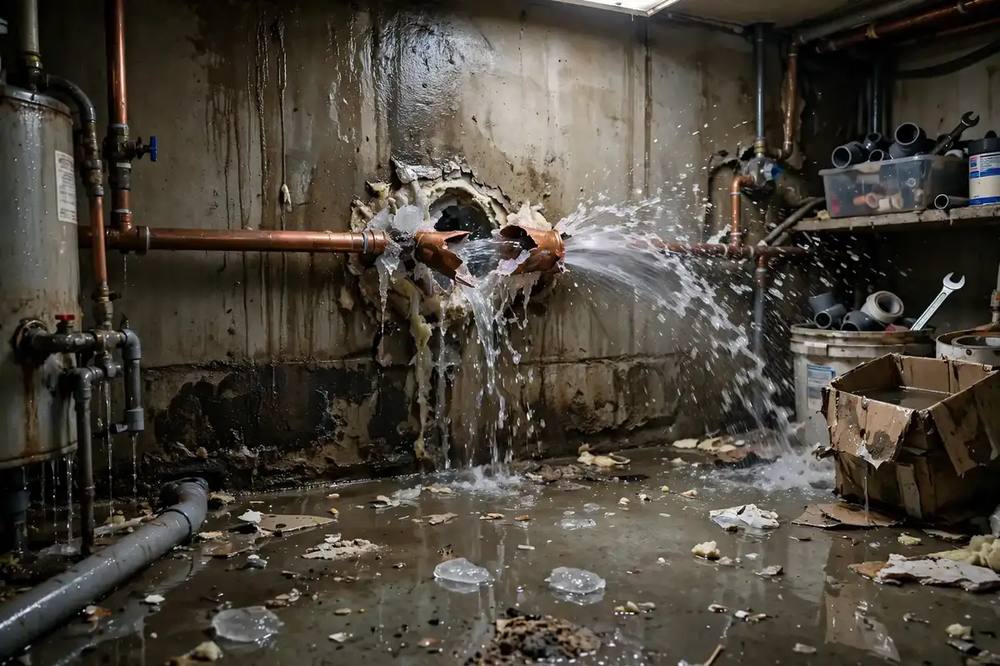
Fast extraction and drying when a pipe bursts in an attic, a wall, or under a slab.
Learn more about burst pipe cleanup in Rockwall, TX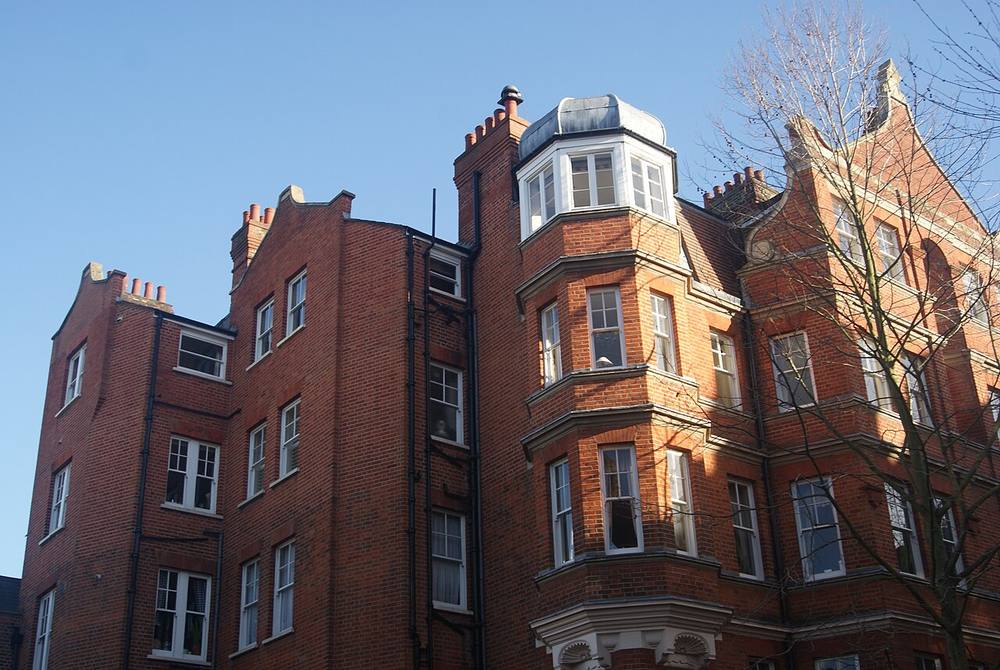
Standing water removal, flood water extraction, and drying after storm or lake water comes inside.
Learn more about flood damage restoration in Rockwall, TX
Careful handling and thorough cleaning when a backup brings sewage into a home.
Learn more about sewage cleanup in Rockwall, TX
Roof leaks, fallen trees, and water that came in during a Texas storm.
Learn more about storm damage repair in Rockwall, TX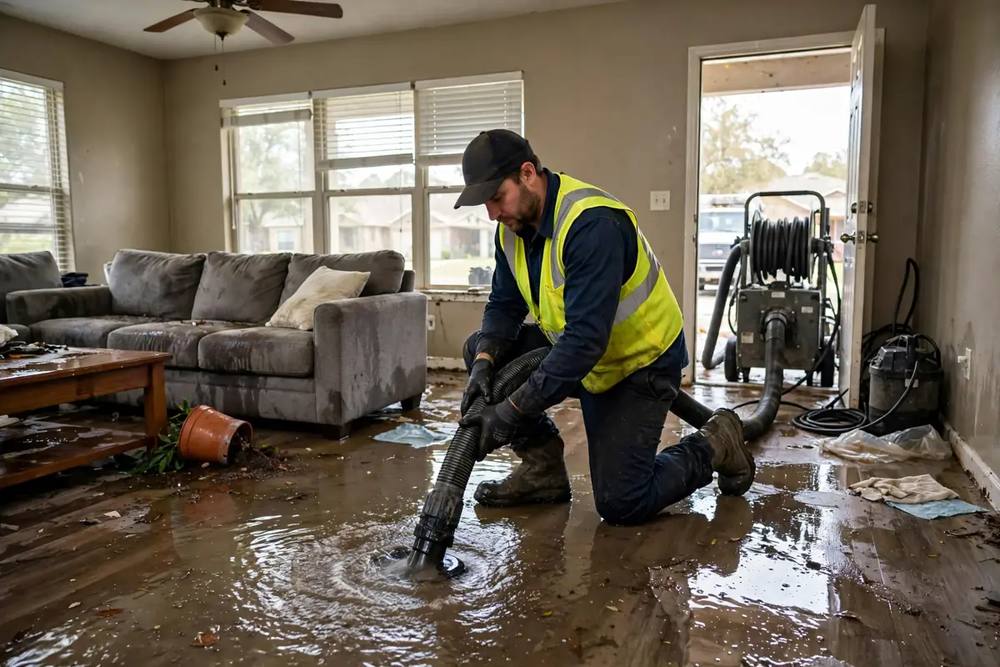
Deep drying of walls, subfloors, and framing so moisture does not stay trapped inside the structure.
Learn more about structural drying in Rockwall, TX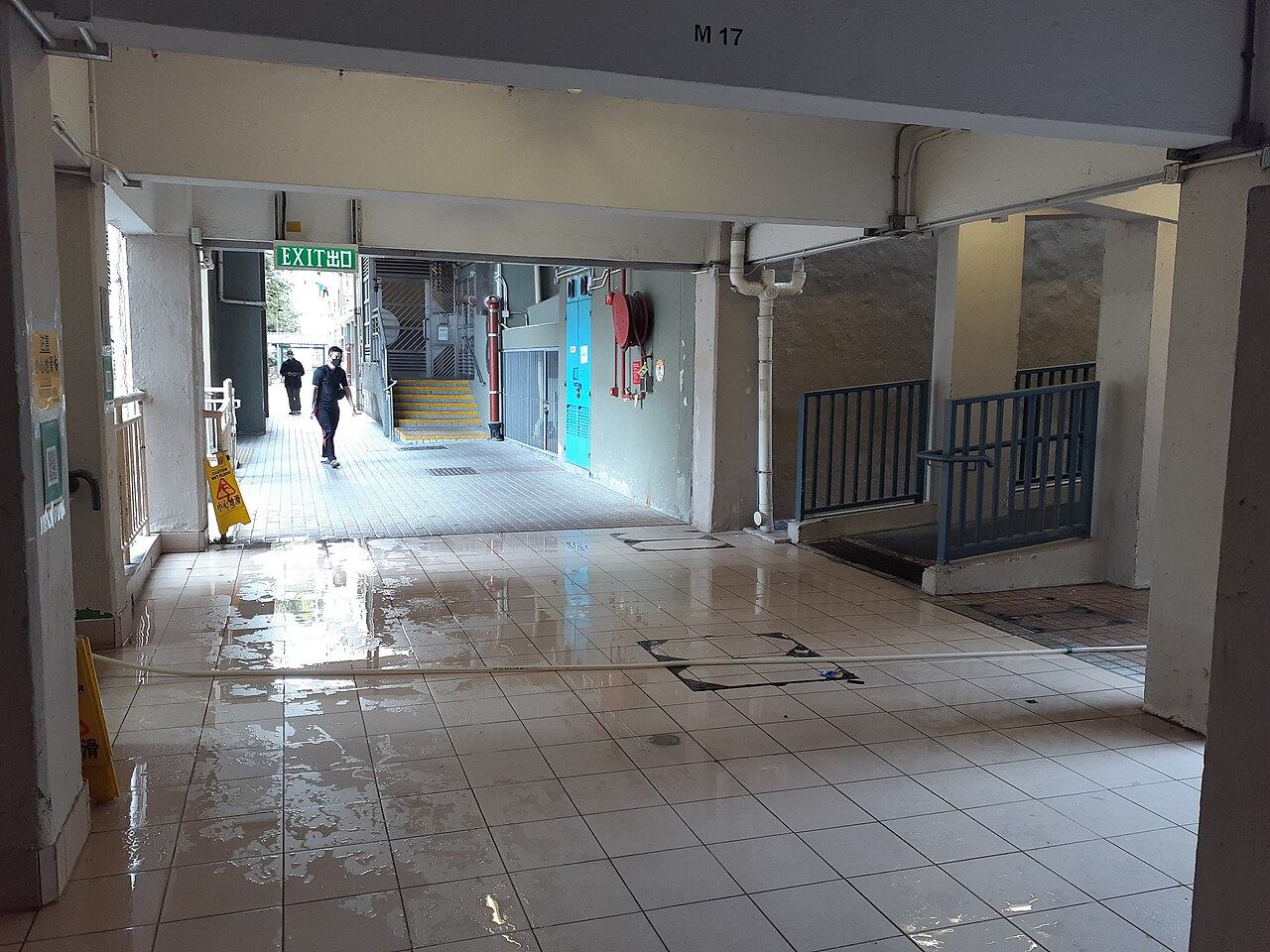
Pumps and extractors that remove standing water fast, before it soaks deeper into floors and walls.
Learn more about water extraction in Rockwall, TX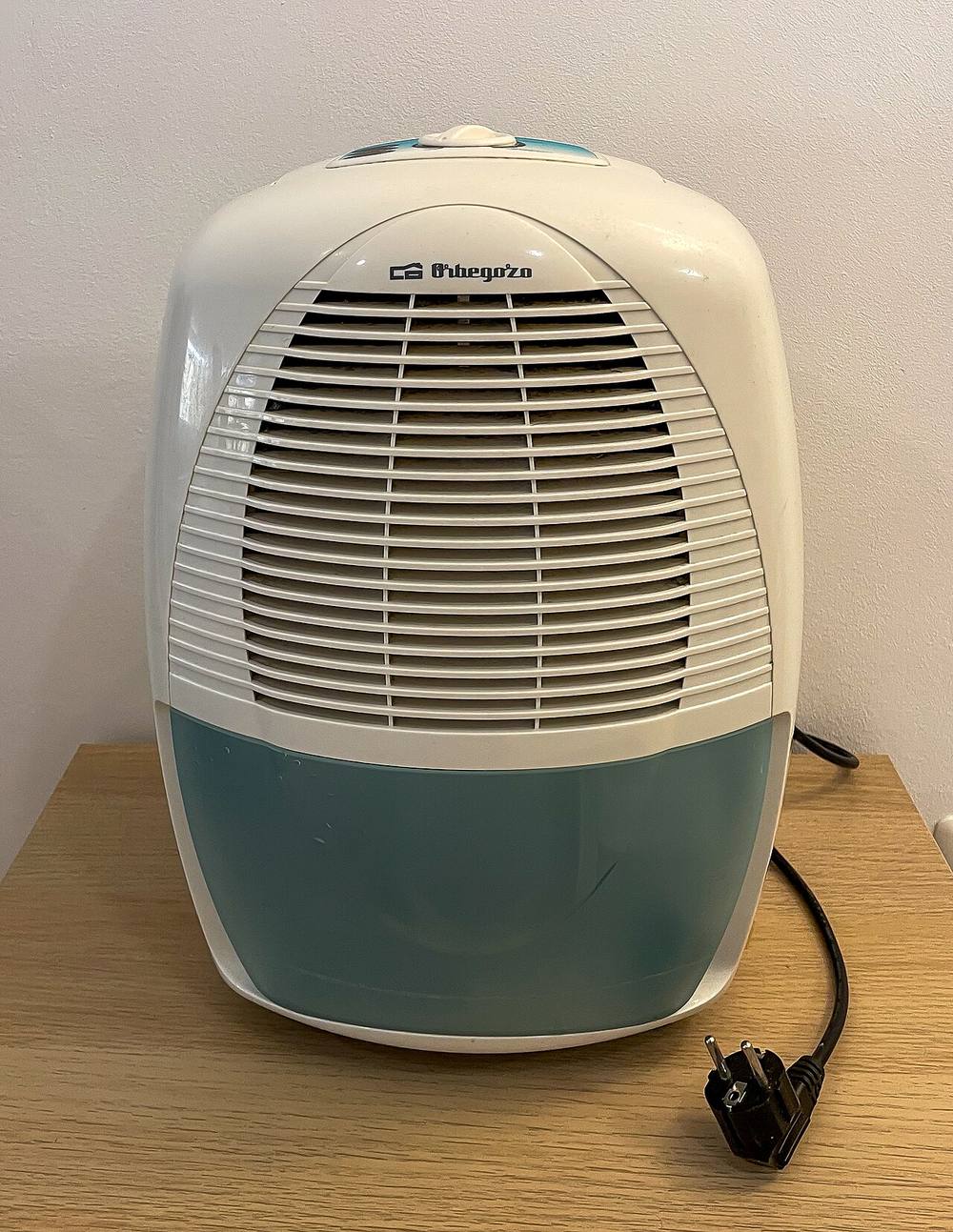
Air movers and dehumidifiers that dry the structure, not just the surface, with moisture readings until it tests dry.
Learn more about dehumidification in Rockwall, TX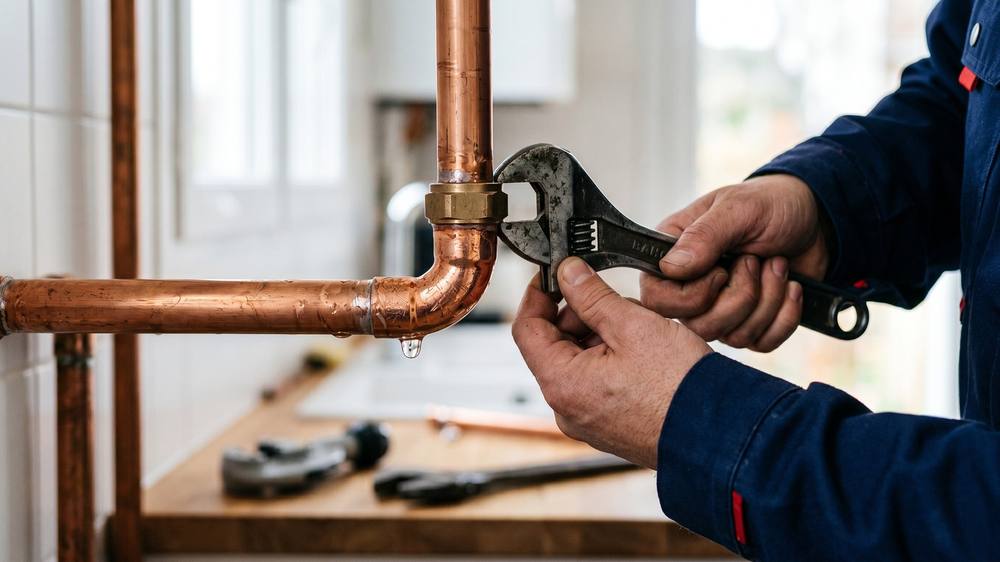
Drywall, flooring, trim, and paint rebuilt after the water is out and the structure tests dry.
Learn more about water damage repair in Rockwall, TX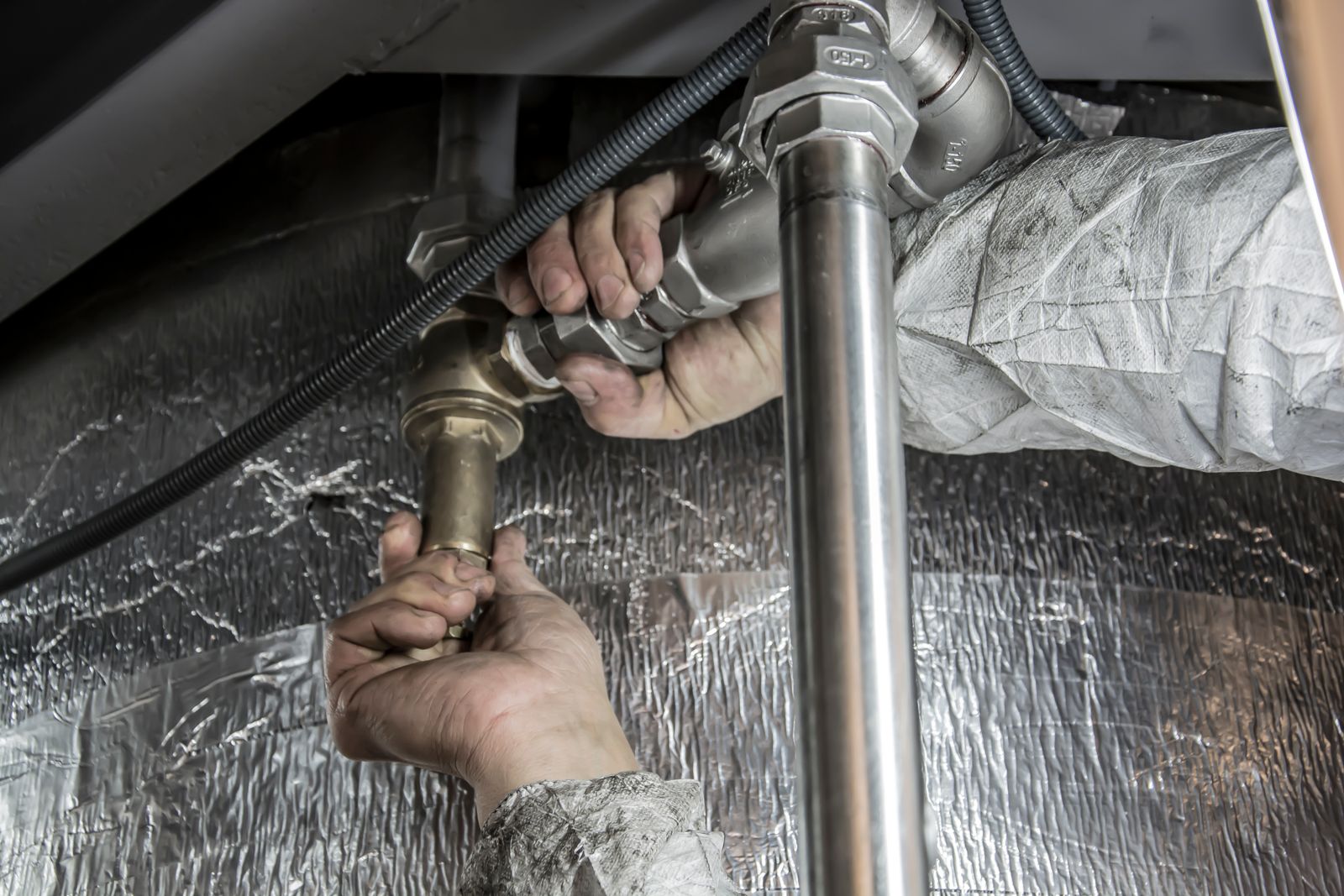
Finding the leak under the slab before it spreads: the bill, the warm spot, the running-water sound, and the meter test.
Learn more about slab leak detection in Rockwall, TXWater damage help in the towns around Rockwall.
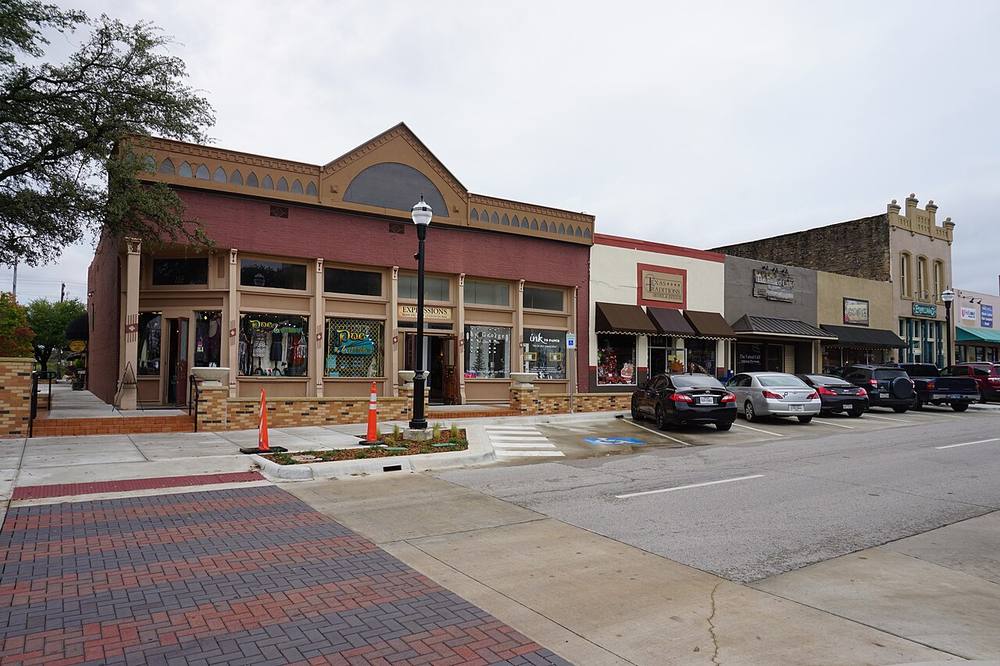
West shore of Lake Ray Hubbard, sharing the same storm and humidity pattern as Rockwall.
Learn more about water damage restoration in Rowlett, TX
A growing town east of Rockwall, where new builds still get appliance leaks and water heater failures.
Learn more about water damage restoration in Fate, TX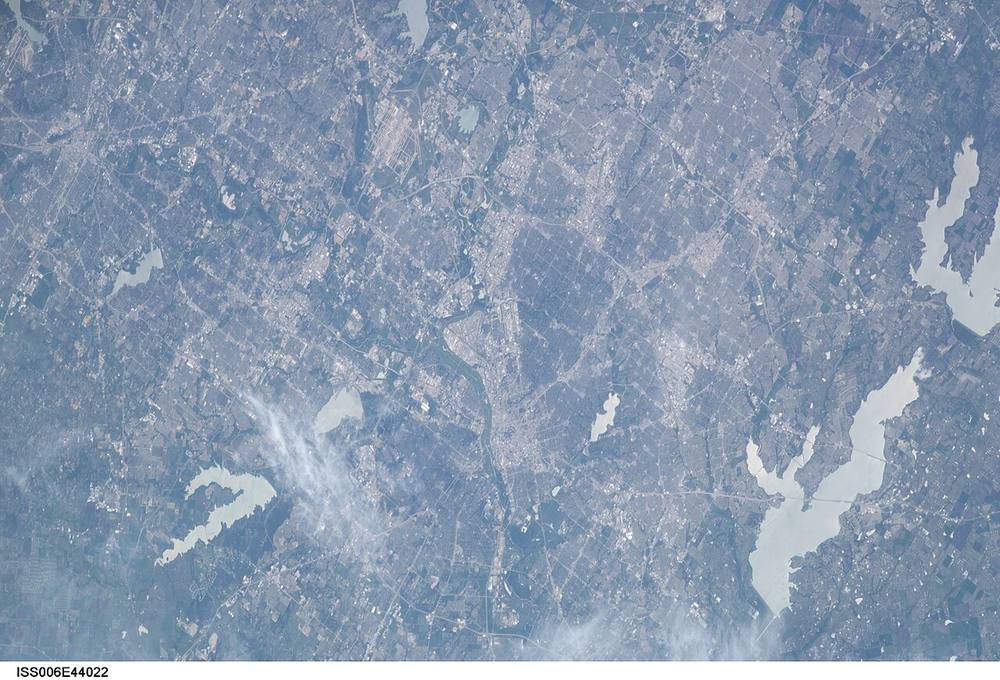
East shore of the lake, where lake humidity and older lakeside homes meet.
Learn more about water damage restoration in Heath, TXIf you see water, smell mustiness, or hear running water when nothing is on, call now. Water damage restoration Rockwall TX is available 24 hours a day, 7 days a week. One call connects you with a local provider who can explain the next step and give you a realistic arrival window.
Rockwall sits on the eastern shore of Lake Ray Hubbard, about 25 miles northeast of downtown Dallas, and it is the county seat of Rockwall County — its own county, not part of Collin or Dallas County. The lake covers about 22,000 acres, 21,671 surface acres by the Texas Parks and Wildlife count, impounded in 1968 behind the Rockwall-Forney Dam on the East Fork of the Trinity River. It runs about 40 feet at its deepest, with roughly 35 miles of shoreline, and I-30 crosses it on a causeway.
Rockwall County is the smallest county in Texas, about 149 square miles, organized in 1873. The city counted 47,251 people in the 2020 census, and the Census Bureau estimated 53,547 by July 2024. That growth shows up in the housing: 1970s and 1980s homes near the lake sit beside new construction in Fate, Royse City, and north Rockwall from the last ten years. The two stocks get wet in different ways, and a provider who works here knows which is which.
Under all of it is Blackland Prairie clay, montmorillonite clay that can swell up to 30% when wet. That is the ground truth behind most Rockwall water damage. Slab leaks, shifting soil, and drainage that worked fine in a dry year and fails in a wet one all come back to that clay.
Call (945) 422-7610. The call connects you with an independent local provider serving Rockwall, Rowlett, Fate, and Heath. Tell the provider where the water is and when it started, and the provider takes it from there: inspection, moisture readings, extraction, and drying.
It covers the full job after water gets in: burst pipes, water heater and appliance leaks, slab leaks, roof leaks, flood water extraction and cleanup, storm damage, sewage cleanup, structural drying, dehumidification, and mold remediation after a leak. It covers homes and businesses across Rockwall, in ZIP codes 75032 and 75087, and in Rowlett, Fate, and Heath.
One call connects you with a local provider serving Rockwall, Rowlett, Fate, and Heath. Tell the provider where the water is and what happened, and they take it from there.
Call (945) 422-7610Response depends on location, time of day, and storm volume. During a major storm, demand spikes across Rockwall County. Call early. Even if you are not sure you need full help, a local provider can tell you whether you need immediate extraction or can wait for a scheduled inspection.
Cost depends on the category of water, how many rooms are affected, how long water sat, and what materials were damaged. A small clean-water leak in one room is a different job than a sewage backup or a whole-home flood. Call for an explanation of what affects price and what insurance often covers.
Yes. We connect callers with local providers serving The Harbor, Downtown Rockwall, Chandlers Landing, Turtle Cove, The Shores, Lakeside Village, Hickory Ridge, Breezy Hill, and Stone Creek, plus Heath, Fate, and Rowlett.
Stop the source if you can do it safely, turn off power to wet rooms, move valuables off wet floors, and take photos for insurance. Do not use a household vacuum on water. Then call (945) 422-7610.
Yes. We connect you with local providers 24 hours a day, 7 days a week, including nights, weekends, and holidays. Water damage does not keep office hours.
Most single-room clean water jobs dry in a few days with commercial equipment. Humidity near the lake can slow drying, which is why air movers and dehumidifiers matter. Slab leaks and multi-room floods take longer, and drying is checked with a moisture meter rather than a calendar.
The ground under most Rockwall homes is Blackland Prairie clay, a montmorillonite clay that can swell up to 30% when it gets wet. That movement works on the pipes buried in the slab. Most North Texas homes built after 1970 sit on a slab foundation, so the water and drain lines run through concrete. A supply line can develop a pinhole leak from corrosion and pressure, and a drain line can crack as the soil shifts. The leak runs out of sight until the signs show: a bill that jumps, a warm spot on the floor, or the sound of running water with everything off.
Most Rockwall homes built from the 1990s onward have the air handler in the attic, and the cooling season runs deep into fall. As the system cools, condensation drips into a pan and out through a thin PVC drain line. When that line clogs or the pan rusts through, the water overflows onto the attic decking and insulation, then down through the ceiling. A slow overflow can run for days before a stain shows. If you see a stain growing, call (945) 422-7610 and describe where it is.
It depends on the job, so there is no number to quote on a page. What matters is the kind of water, how many rooms it reached, how long it sat, and what materials it soaked. When you call (945) 422-7610, a local provider asks where the water is and what happened, explains what the visit usually involves, and talks through what happens next, including what to tell your insurer. That call is the next step.
Expansive clay soil under the slab shifts as it wets and dries, stressing the foundation and the water lines buried in it. A hot-water line leaking under the slab often shows first as a warm spot on the floor.
Lakeside homes deal with higher humidity and a high water table, and lake-side rooms stay damp longer after a leak. Drying has to account for the moisture already in the air.
Mold can start within 24 to 48 hours where materials stay wet. That is why drying starts with extraction, not with waiting.
Sudden leaks, such as a burst pipe or an appliance failure, are usually covered. Rising water from outside usually needs a separate flood policy. Photograph everything and keep the readings — the file is what the adjuster works from.
Every wet room, the source if you can see it safely, damaged belongings, and any paperwork. Photos taken before anything moves are the clearest record for the claim.
It depends on the water category and how long it sat. Materials are assessed one by one — some dry in place, some have to come out. Nothing is assumed before the readings.
Extraction removes the standing water. Structural drying removes the moisture trapped in walls, floors and framing with air movers and dehumidifiers, verified by readings.
Yes. Rockwall, Rowlett, Fate and Heath — the same service, the same number: (945) 422-7610.
Inspection first: find where the water went, meter each material, record the readings and photos, then a plan for extraction, drying and repair.
Moisture meters read inside the material, not just the surface. Drying is finished when the readings, not the look of the wall, say so.
If you see water, smell mustiness, or hear running water when nothing is on, call now. Water damage does not wait, and neither should you.
Call (945) 422-7610Calls answered any time, day or night — including nights, weekends, and holidays.