
Chandlers Landing
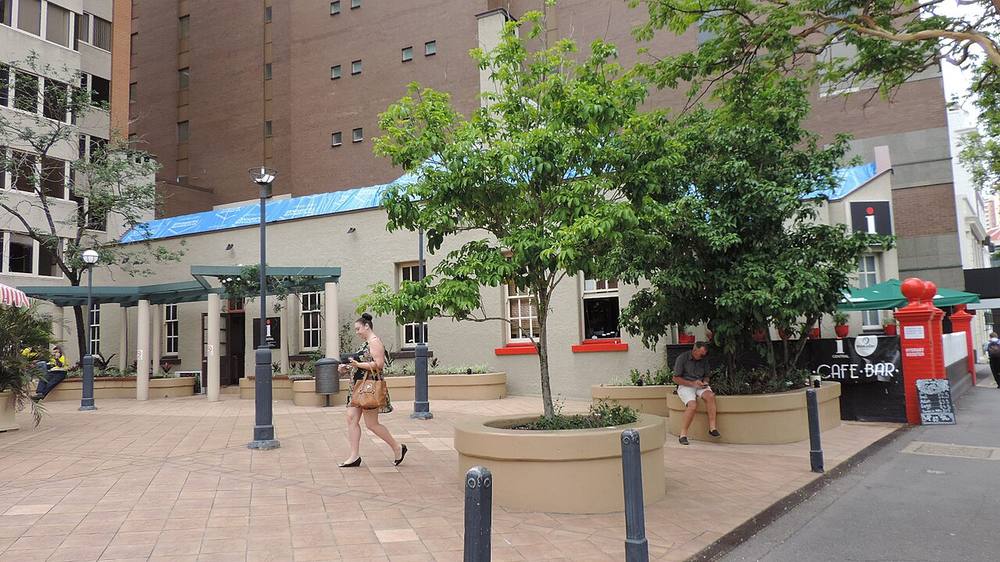
Gated homes near the park, facing lake humidity and heavy rain.
Learn more about water damage restoration in Chandlers Landing, TX
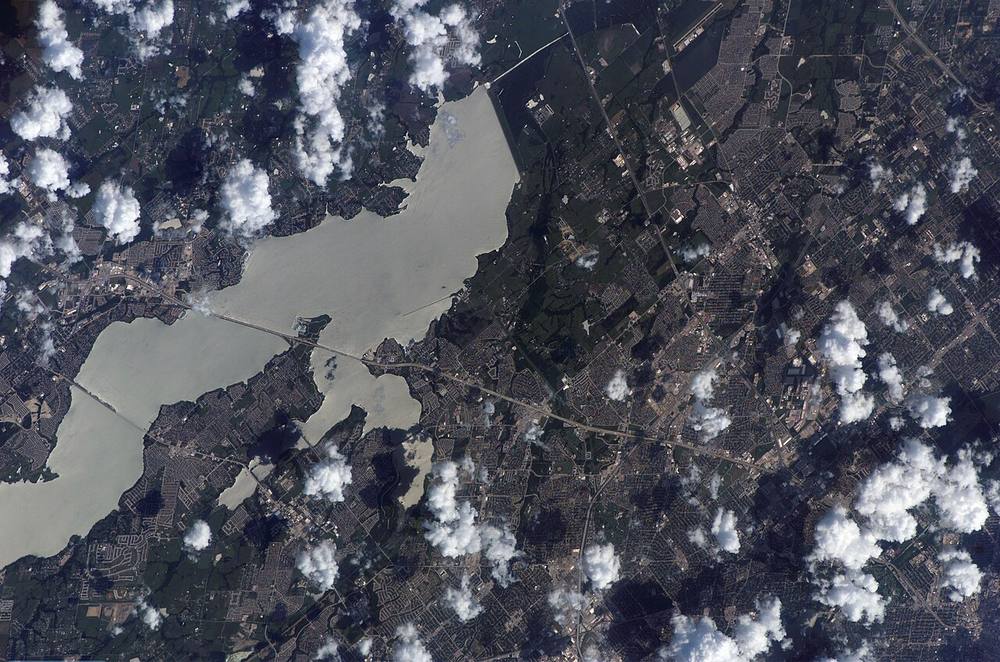
The Shores is a lakeside neighbourhood in Rockwall, made up of The Cove, The Point, and The Landing, with The Shores Park and Rockwall Harbor close by.
One call connects you with a local provider serving Rockwall, Rowlett, Fate, and Heath.
The Shores is a lakeside neighbourhood in Rockwall, made up of The Cove, The Point, and The Landing, with The Shores Park and Rockwall Harbor close by. Life here centres on the water: homes look out over Lake Ray Hubbard, paths lead down toward the shore, and the harbour is a short walk for many residents. Living so close to the lake brings its own pattern of water problems, from wind-driven rain and storm runoff to the everyday leaks that can happen in any home. A burst pipe, a failed appliance hose, or a slow leak under a sink can send water across floors and into walls, even in a home that has never flooded from the lake. Once water is inside, it soaks into flooring, drywall, and furnishings, and damp materials can develop further problems if they stay wet. Calling (945) 422-7610 connects you with local providers who serve The Shores and the wider Rockwall area, any time, day or night. This page looks at what tends to go wrong in The Shores, how providers in Rockwall approach a call here, and what you can do while you wait for help. It covers the harbour and park side of the neighbourhood, the homes of The Cove, The Point, and The Landing, and the drying and cleanup that follows once the water is out.
Updated: November 2026
In The Shores, the lake is never far away. A storm coming across open water can push rain sideways against a home, so windows and doors on the lakeside take the worst of it. Patios and decks can hold standing water after a downpour, and that water can work its way toward thresholds and into entryways if drains are blocked by leaves or debris.
The ground near the shore also matters. Some spots sit lower than the street, and runoff from a driveway or a path can collect there instead of draining away. After a storm, check the lakeside rooms first, then the garage and any storage areas at ground level. A damp rug by a patio door, a wet patch on a garage floor, or a smell of damp in a closet can be the first sign that water came in during the weather.
If you find water, try to work out whether it is still coming in and which side of the house it came from. That detail helps a provider when you call (945) 422-7610. Stay out of any water that could be near electrical outlets, appliances, or cords.

The Cove, The Point, and The Landing are three distinct parts of The Shores, and the homes in each vary in size and layout. What they share is the way a household leak behaves: it rarely stays in one room. A toilet valve, a shower drain, or a washing machine hose on an upper floor can send water down through the ceiling into the room below, and from there it can run under flooring into the next room along.
That is why a provider will usually look beyond the room where you first saw water. The source may be a bathroom two rooms away, or a laundry room on the floor above. Shutting off water at the fixture, or at the main shutoff if the source is not clear, can limit how far it spreads. After that, the provider can remove standing water and begin drying floors, walls, and ceilings, checking for dampness that is not visible on the surface.
When you call, it helps to say which area of The Shores you are in, which rooms are wet, and what fixtures are nearby. A note about when the problem started, and whether it is getting worse, gives the provider a clearer picture before the visit.

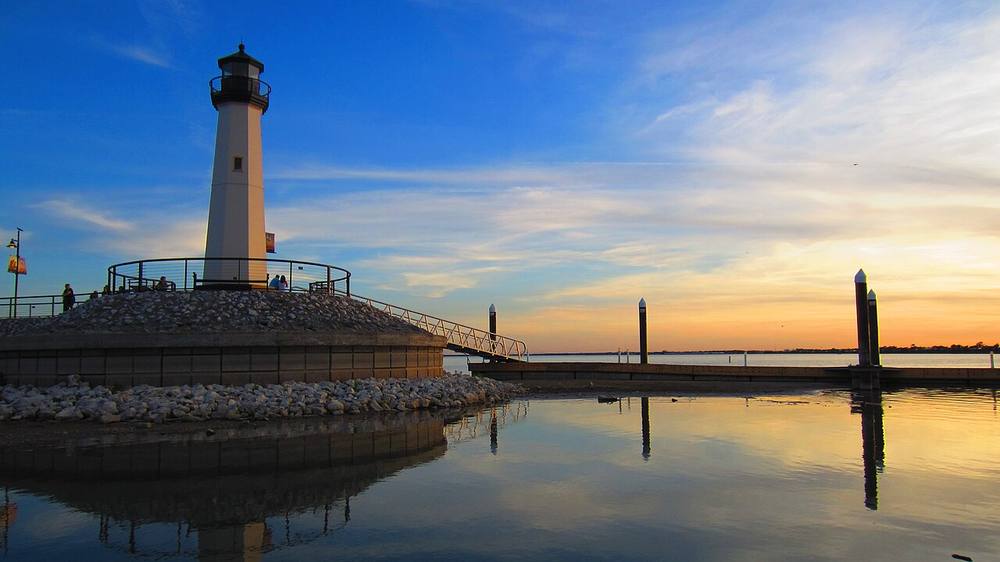
Rockwall Harbor and The Shores Park are the places many residents head for a walk by the water, and the open shoreline there means there is little to break the wind when a storm comes in. Rain can arrive in a sudden burst, filling gutters and overwhelming drains that cope well in lighter weather. Water can pool on walkways and driveways, then run toward the nearest doorway or garage.
Homes near the park and harbour often have outdoor areas that collect rain: patios, decks, and storage for garden items and outdoor furniture. After heavy weather, look over those areas and clear leaves from drains and gutters when it is safe to do so. Check that downspouts send water away from the walls rather than letting it gather at the base of the house.
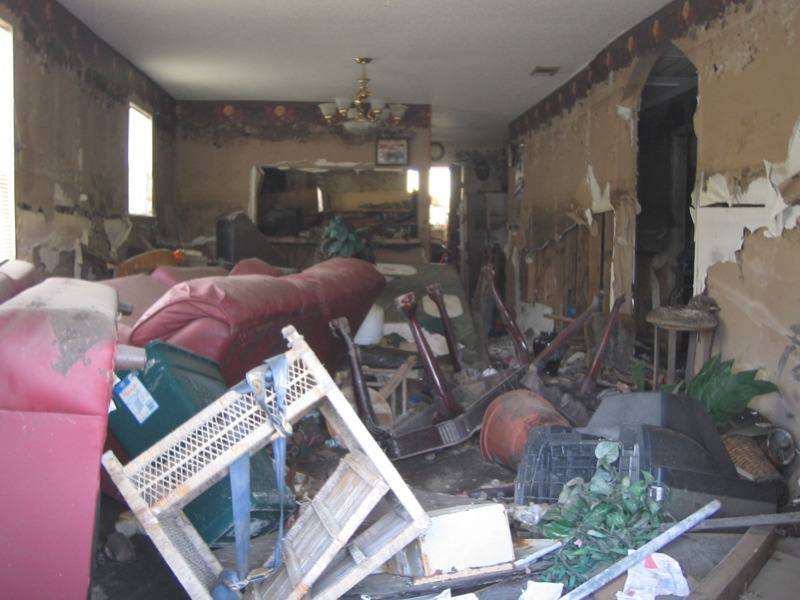
Inside, the rooms to check after a storm are the ones that face the lake and the park, plus closets, utility rooms, and any room at ground level that is easy to overlook. Damp carpet, warped flooring, bubbling paint, or a musty smell can all point to water that entered during the storm. If you see any of those signs, call (945) 422-7610 and describe what you have found.
Once standing water is gone, the work is not finished. Drywall, insulation, carpet padding, and wood can stay damp long after the surface feels dry, and lakeside homes with lower levels and lake-facing rooms are no exception. Providers in Rockwall use drying equipment and moisture checks to help bring those materials back to a dry condition. Sometimes wet padding or damaged drywall needs to be taken out so the area behind it can dry.
Sorting belongings is part of the cleanup too. Rugs, soft furnishings, and items stored in garages and lower levels may need to be moved, cleaned, or set aside. A provider can explain what can be dried where it is and what may need attention from a specialist. A simple record of the rooms and items affected, with photos if it is safe to take them, can be useful for your own records and for later conversations about repairs.
Keep an eye on the home in the days after the water is removed. A musty smell, soft flooring, or discolouration on a wall or ceiling can mean moisture is still present. If you notice any of those signs, call (945) 422-7610 for advice on next steps.
Other areas where local providers help.
Gated homes near the park, facing lake humidity and heavy rain.
Learn more about water damage restoration in Chandlers Landing, TX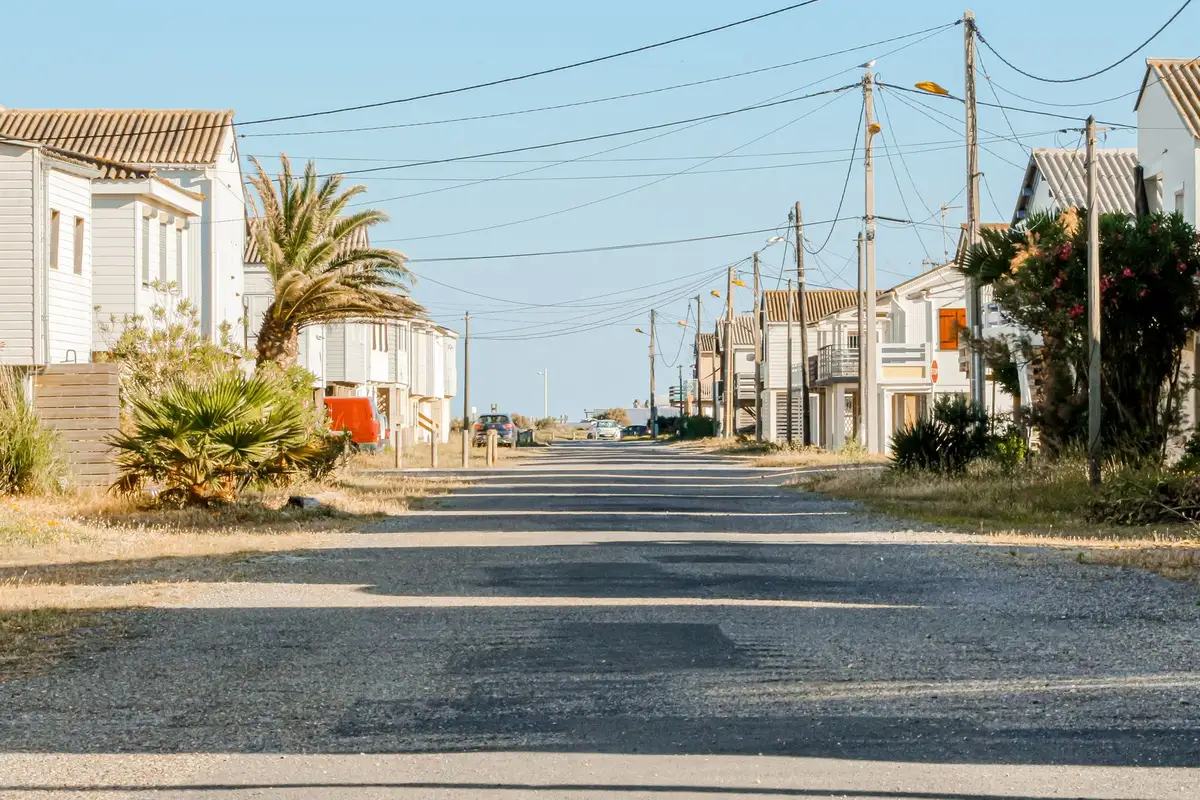
Newer builds near SH-205, where appliance leaks and water heater failures are the common calls.
Learn more about water damage restoration in Breezy Hill, TX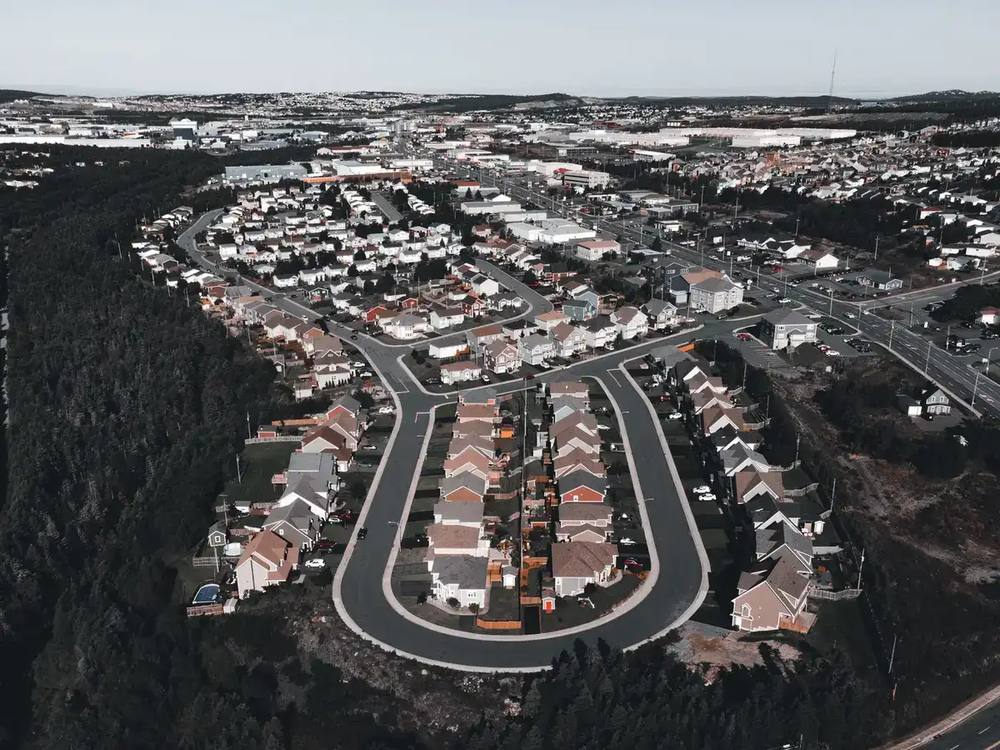
Family homes where slab leaks and appliance leaks are the calls we hear about most.
Learn more about water damage restoration in Stone Creek, TXWater damage help in the towns around Rockwall.
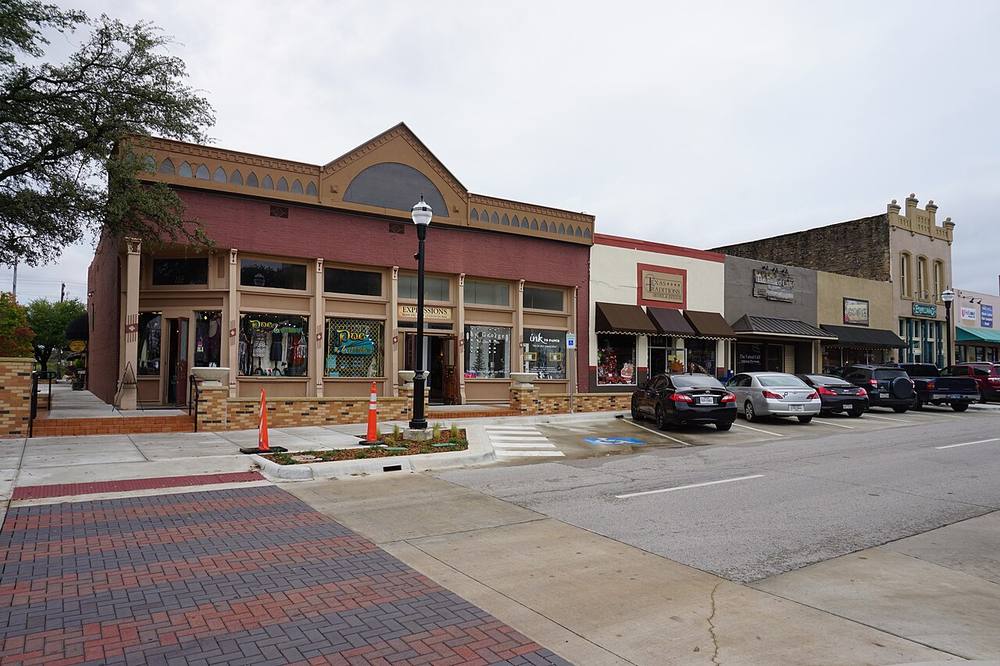
West shore of Lake Ray Hubbard, sharing the same storm and humidity pattern as Rockwall.
Learn more about water damage restoration in Rowlett, TX
A growing town east of Rockwall, where new builds still get appliance leaks and water heater failures.
Learn more about water damage restoration in Fate, TX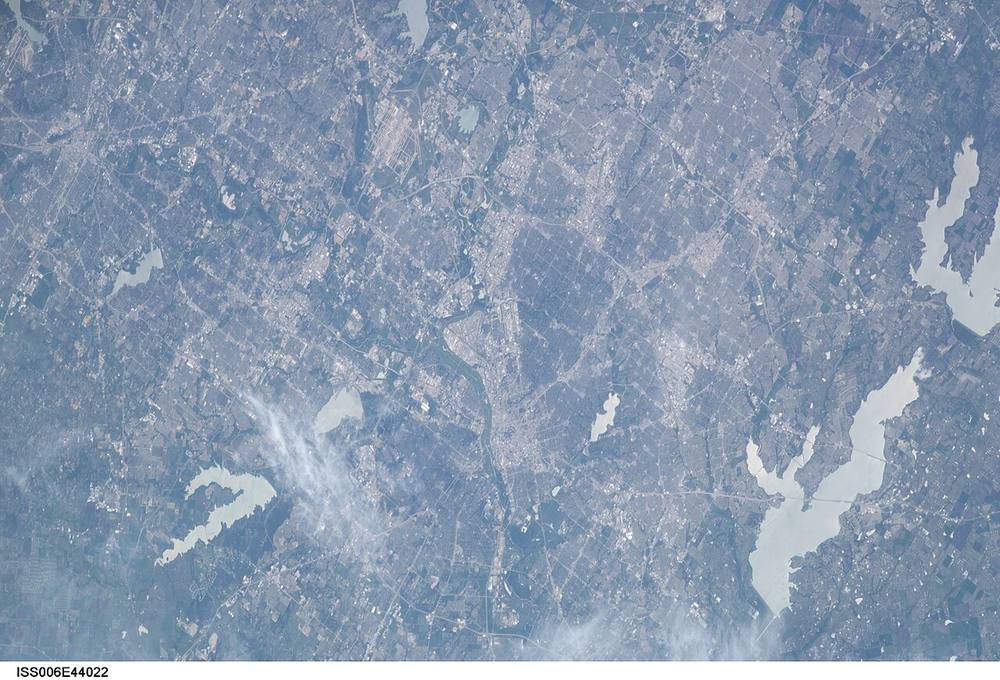
East shore of the lake, where lake humidity and older lakeside homes meet.
Learn more about water damage restoration in Heath, TXIf water has entered your home in The Shores, whether in The Cove, at The Point, in The Landing, or near The Shores Park and Rockwall Harbor, call (945) 422-7610 any time, day or night. Local providers can help with water extraction, drying, and cleanup, and can talk through what to do next for your home.
The Shores sits in north Rockwall, north of State Highway 66 and west of North Goliad Street, in ZIP code 75087. It was built around the Rockwall Golf and Athletic Club, formerly The Shores Country Club, an 18-hole course. Homes here run from the late 1970s to 2010. The community has pools, a clubhouse, tennis, and pickleball, and it sits in the Rockwall school district.
The lake is the other half of the story. Lake Ray Hubbard covers 21,671 surface acres, and The Shores sits on its northern shore. Storms coming across open water push rain sideways against lakeside windows and doors, and the ground near the shore holds water in low spots. Lake humidity raises the HVAC load for lakeside homes, and a higher load means more condensate volume through the drain line.
Squabble Creek runs close by, and the U.S. Geological Survey keeps a gage on it at Shores Boulevard, station 08061480, with data since July 2, 2017. The creek runs about 4.2 miles from springs near the municipal airport to the lake, and it is often dry in summer — but its South Prong tributaries carry 100-year floodplain lines, and the city's Squabble Creek Master Plan, posted in April 2025, updated the floodplain maps for the area.
One call connects you with a local provider serving Rockwall, Rowlett, Fate, and Heath. Tell the provider where the water is and what happened, and they take it from there.
Call (945) 422-7610If it is safe to do so, find the source of the water and stop it, for example by turning off a fixture valve or the main water shutoff. Move dry belongings away from the wet area and avoid walking through water near electrical outlets or appliances. Then call (945) 422-7610 to reach local providers who serve The Shores.
Yes. Providers in Rockwall serve lakeside homes throughout The Shores, including The Cove, The Point, and The Landing. When you call, describe where the water is, which rooms are affected, and whether the water is still coming in, so the provider can plan the visit.
A leak upstairs often shows up downstairs first, as a stain on a ceiling or dampness in a wall. A provider can inspect both floors, trace the water back to the bathroom, laundry room, or appliance above, and dry the ceiling, walls, and flooring that were affected. Tell the provider which fixtures sit above the wet spot.
Leave heavy wet furniture where it is rather than lifting it yourself. Small dry items can be moved out of the way if it is safe to do so. A provider can advise on shifting wet furnishings and on which flooring or materials may need to be lifted so the area underneath can dry.
Look for a musty smell, flooring that feels soft, paint that bubbles, or discolouration on a wall or ceiling. Any of those can mean drywall, padding, or wood is still damp even though the surface feels dry. Providers use moisture checks to find that hidden dampness and drying equipment to bring the area back to a dry condition.
Call (945) 422-7610 any time, day or night. Calls are answered around the clock and connect you with local providers serving The Shores and Rockwall. Describe what happened, where the water is, and when it started, and the provider can talk through the next steps.
If you see water, smell mustiness, or hear running water when nothing is on, call now. Water damage does not wait, and neither should you.
Call (945) 422-7610Calls answered any time, day or night — including nights, weekends, and holidays.