
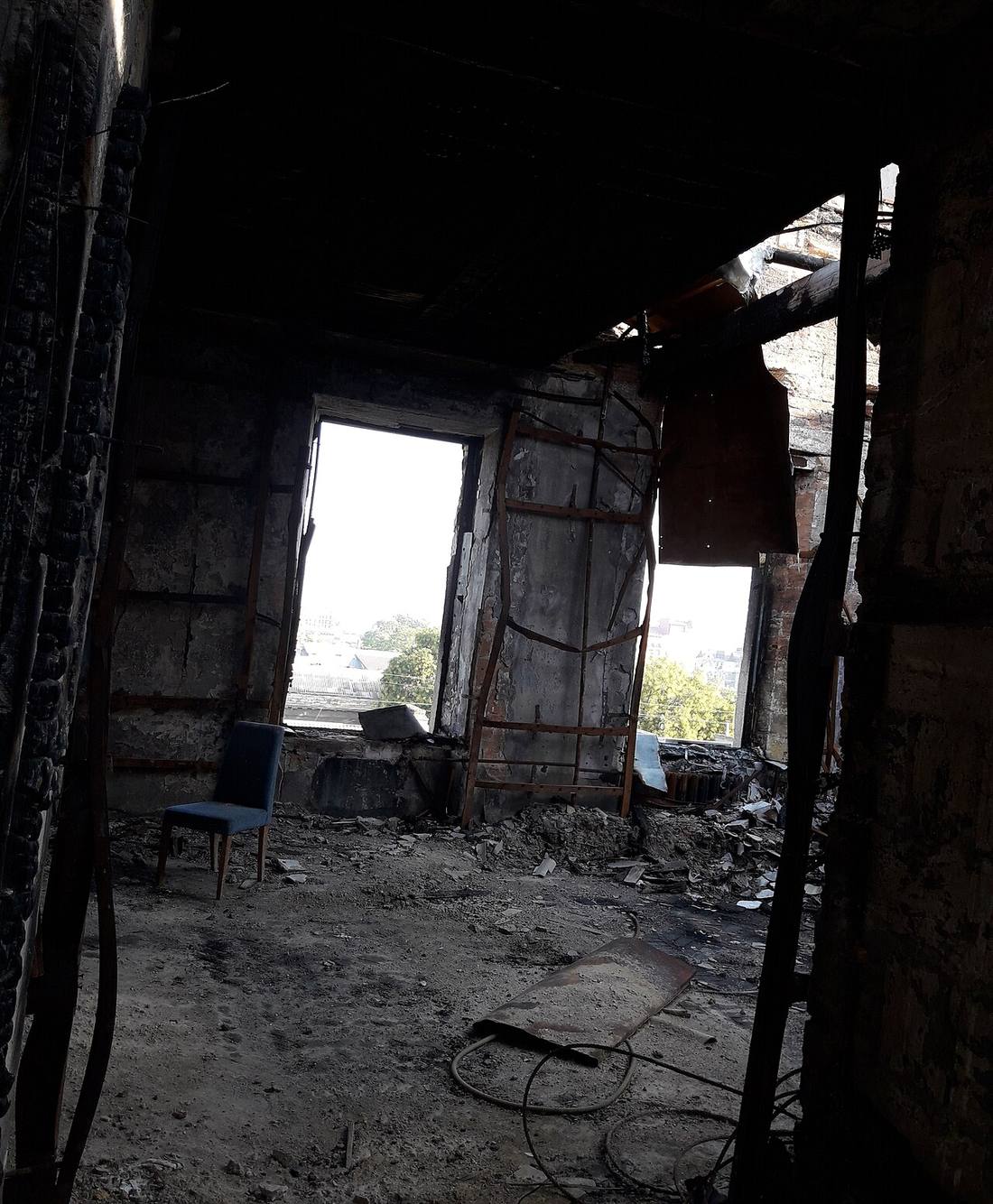
Fire Damage Restoration
Soot cleaning, odor removal, and drying after a kitchen fire, with the water left behind by fire hoses handled at the same time.
Learn more about fire damage restoration in Rockwall, TX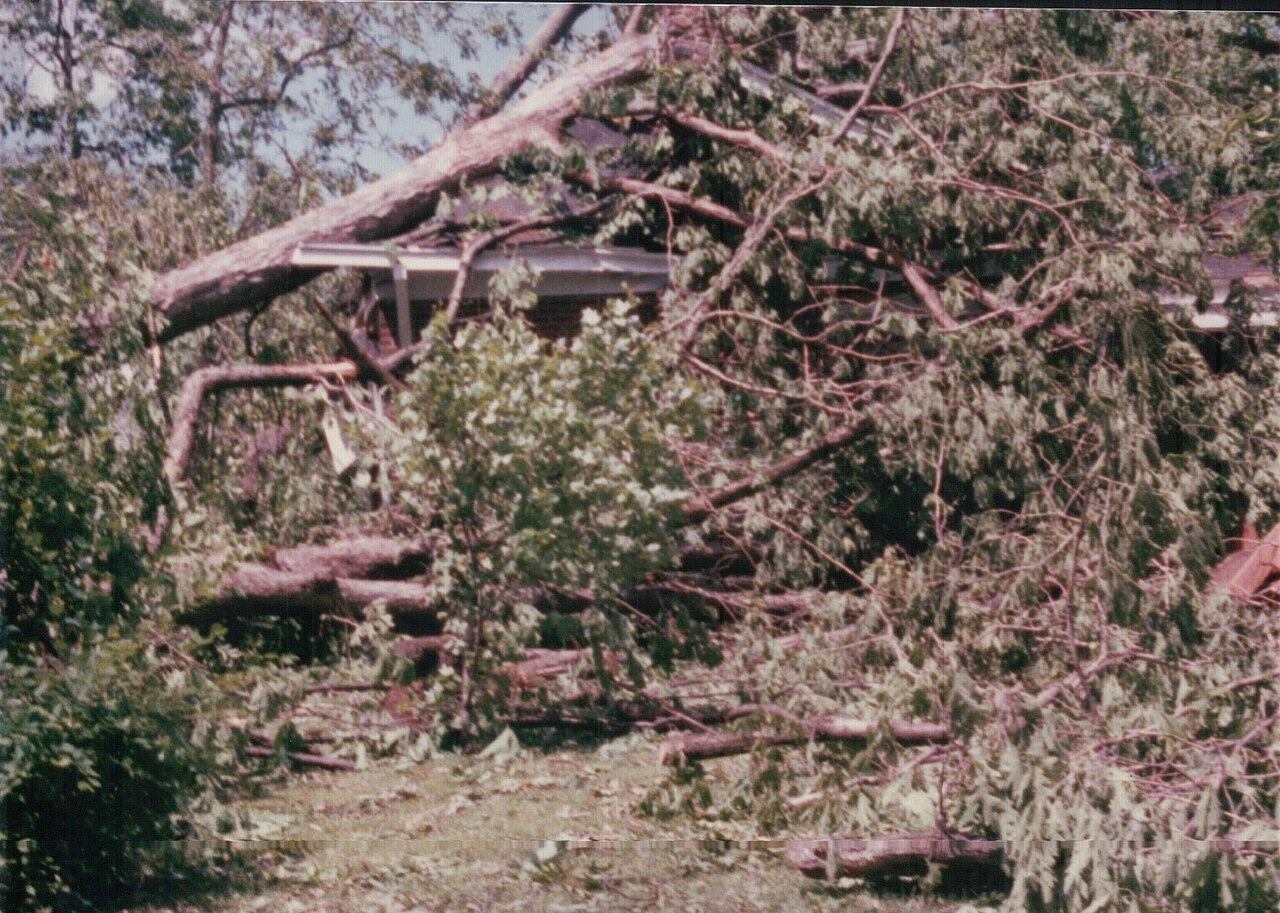
Storms in Rockwall can arrive quickly, with wind, hail and heavy rain in a single afternoon, and the damage they leave behind is often a mix of problems rather than one clear fault.
One call connects you with a local provider serving Rockwall, Rowlett, Fate, and Heath.
Storms in Rockwall can arrive quickly, with wind, hail and heavy rain in a single afternoon, and the damage they leave behind is often a mix of problems rather than one clear fault. A roof can lose shingles in one place, a gutter can pull loose in another, and rain can find its way in through a window frame that was fine the week before. Storm damage repair Rockwall TX is about sorting out that mix, finding where water is getting in, and dealing with both the entry point and the water that came through it. Rockwall County sits in a part of Texas where spring and summer storms are a regular part of life, and homes in the 75032 and 75087 ZIP codes feel the full range of them. Wind off Lake Ray Hubbard can be strong along the shore in Chandlers Landing and The Shores, while hail can fall heavily on one neighborhood and miss the next. Breezy Hill, Stone Creek and Downtown Rockwall each face their own exposure, and homes in nearby Rowlett, Fate and Heath deal with the same storm systems as they move across the county. This page explains what storm damage repair involves, how wind, hail and rain each damage a home in different ways, and what to do when a roof leaks after a storm. If a storm has damaged your home, the practical next step is a phone call, so a local provider can assess the damage and plan the repair.
Updated: November 2026
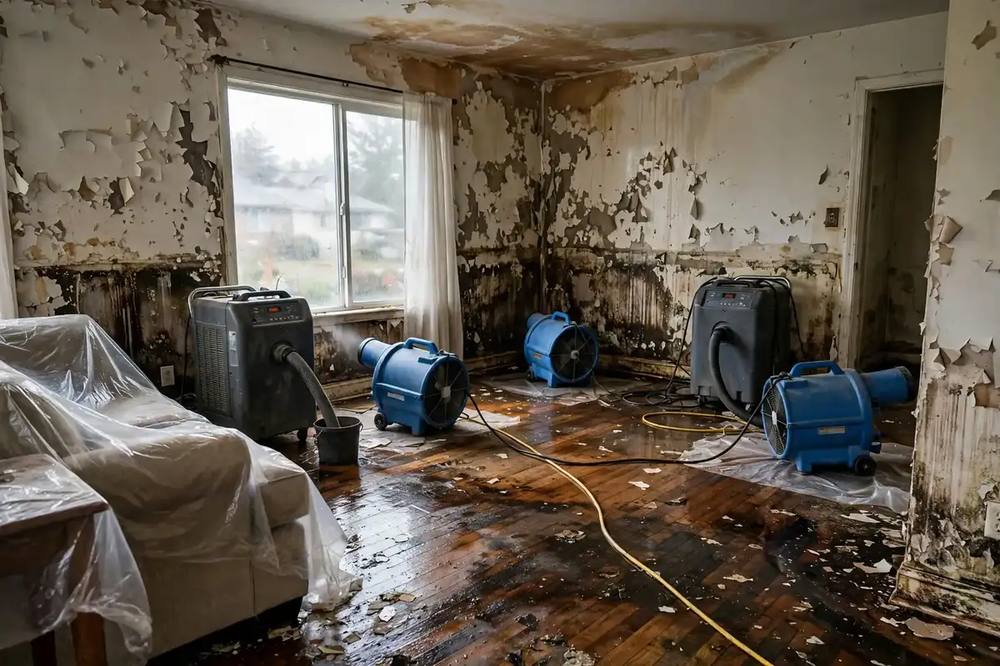
Storm damage repair Rockwall TX is not a single job, because storm damage is rarely a single problem. A provider will look at the outside of the home first, checking the roof, gutters, siding and windows for visible damage, and then look inside at ceilings, walls and floors for signs of water. The two pictures together show where water entered, how far it spread, and what needs to be repaired and dried.
The repair work itself depends on what the storm did. A roof may need shingles replaced and flashing resealed, a gutter may need to be reattached, or a window may need to be sealed where wind-driven rain got in. Inside the home, wet drywall and insulation may need to be removed so the structure can dry, and floors may need to be lifted to check the subfloor beneath them.
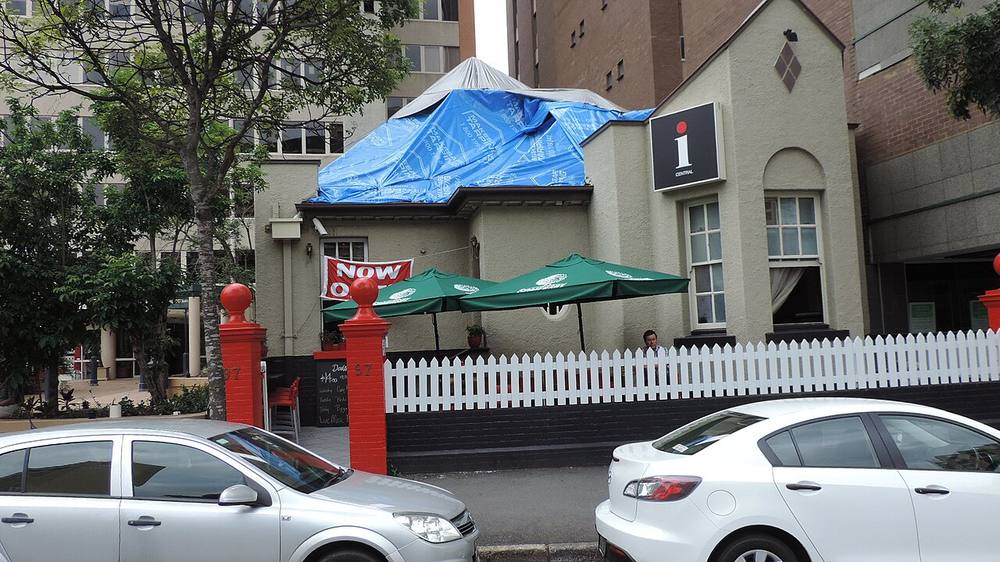
Wind is the most common cause of storm damage in Rockwall, and it works by lifting and tearing rather than by soaking. A strong gust can lift the edge of a shingle and break its seal, leaving a gap that rain can enter in the next storm. It can tear off whole sections of roofing on an older roof, pull gutters away from the fascia, and push rain in around window frames and door seals. The damage is often concentrated on the side of the home that faced the wind, which is why one side of a roof can be damaged while the other looks untouched.
Wind can also bring down tree branches, and a branch that lands on a roof can crack tiles, dent metal roofing or puncture the surface. After a windy storm, it is worth looking at the roof from the ground, checking for missing shingles, loose gutters and debris on the roof, and looking inside for new stains on ceilings. A provider will inspect the roof more closely and can say which damage needs repair now and which can be watched. If water is coming in, that damage needs attention before the next rain.
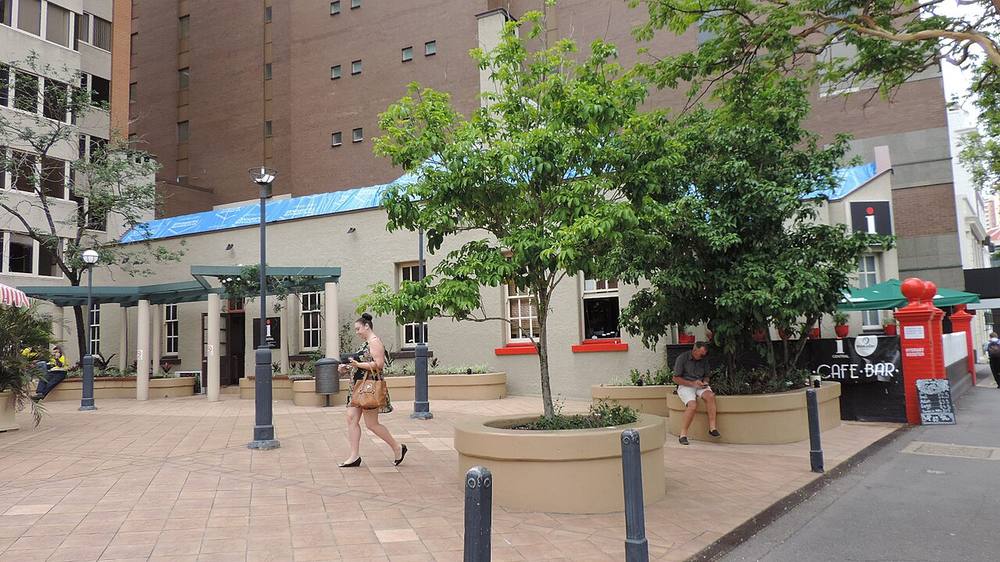


Hail damages a roof differently from wind, and the damage is often harder to spot from the ground. Hailstones strike the roof with force, cracking shingles and tiles, denting metal roofing and gutters, and bruising the surface of roofing materials so they wear out faster. A roof can look intact from the street while hail has broken the surface in dozens of places, and those breaks become entry points for rain in the weeks that follow.
Roof leaks after storms often appear some time after the storm itself, when rain finds the damaged spot. The first sign is usually a stain on a ceiling, a damp patch on a wall, or water dripping from a light fitting after rain. A provider will look at the roof from outside and at the ceiling and walls inside, tracing the water back to where it entered. Finding that entry point matters, because repairing the ceiling without repairing the roof leaves the home open to the next storm.
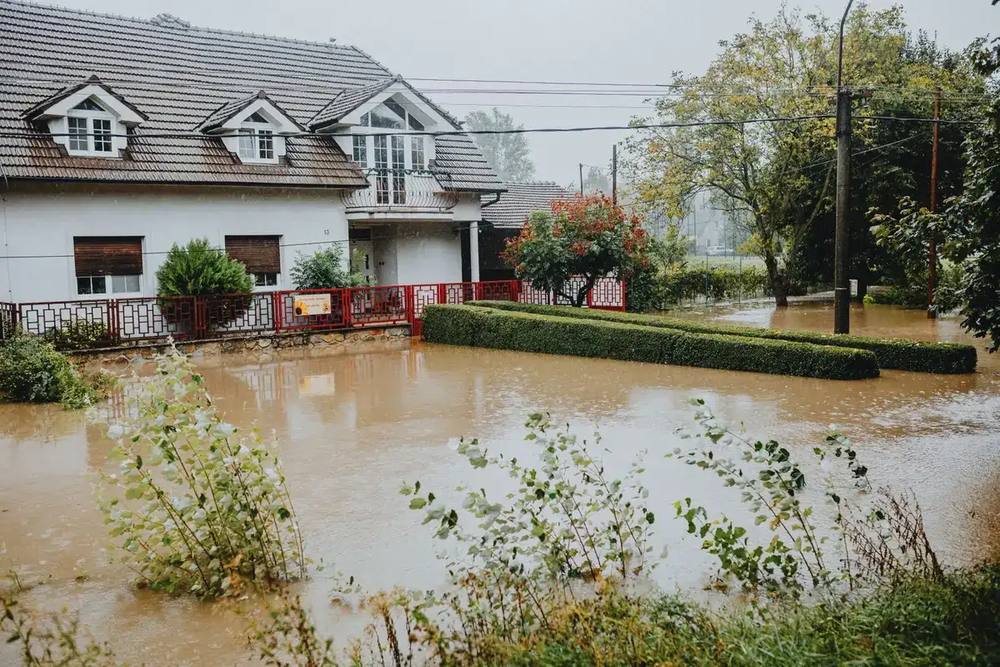
Heavy rain causes its own kind of storm damage in Rockwall, even when the wind and hail are mild. When rain falls faster than gutters and drains can carry it away, water pools against foundations, runs under doorways and seeps in around window frames. Homes in low-lying streets near Lake Ray Hubbard are more exposed to this, as are homes where the ground slopes toward the house rather than away from it. Street drains that are blocked with leaves and debris after a storm can make the problem worse, sending water across a driveway and toward a garage door. Water that comes in during a storm is handled as flood water — see how flood damage restoration in Rockwall works.
Inside the home, heavy rain often shows up first in the lowest rooms, in garages and in rooms with doors that open onto a patio or a yard. Water can also enter through a roof that was already worn, finding small gaps that only leak when rain is driven by wind. Providers check gutters and downspouts as part of a storm inspection, because a gutter that is blocked or pulling away from the house can send water down a wall instead of away from it.
The damage a storm leaves behind is not always visible on the day it happens. Water that entered through a roof can sit inside a ceiling for days before a stain appears, and water that ran down inside a wall can leave the surface looking dry while the inside is wet. That is why providers check for hidden moisture after a storm, using moisture meters to test walls, ceilings and floors in the rooms below and beside the damaged area. Those readings show where water traveled and which materials need drying or removal. A musty smell or a stain that appears days later can mean a hidden leak — see hidden water damage signs to check after a storm.
Homeowners in Rockwall should keep an eye on their homes in the days after a storm, even if nothing leaked during the storm itself. A stain that appears a few days later, a musty smell in a room that was dry before, or paint that begins to peel are all signs that water got in somewhere. If you notice any of these signs, call a local provider and describe what you have seen, so the affected area can be checked.
Calling is simple, and you talk to a real person who connects you with a local provider serving Rockwall. Here is how it usually goes, from the first call to the start of drying.
Call (945) 422-7610. Tell us where the water is, how long it has been there, and if power or sewage is involved.
A local provider checks the source and uses a moisture meter to find water behind drywall and under flooring.
Standing water comes out with pumps and extractors. Wet padding and damaged drywall are flagged for removal.
Air movers and dehumidifiers dry the structure, not just the surface. Readings are taken until wood and drywall test dry.
Surfaces are cleaned and treated so mold does not start. Then repair can begin.
Other help a local provider can connect you with.
Soot cleaning, odor removal, and drying after a kitchen fire, with the water left behind by fire hoses handled at the same time.
Learn more about fire damage restoration in Rockwall, TX
Containment and cleaning for musty smells and mold after a leak that was not dried in time.
Learn more about mold remediation in Rockwall, TX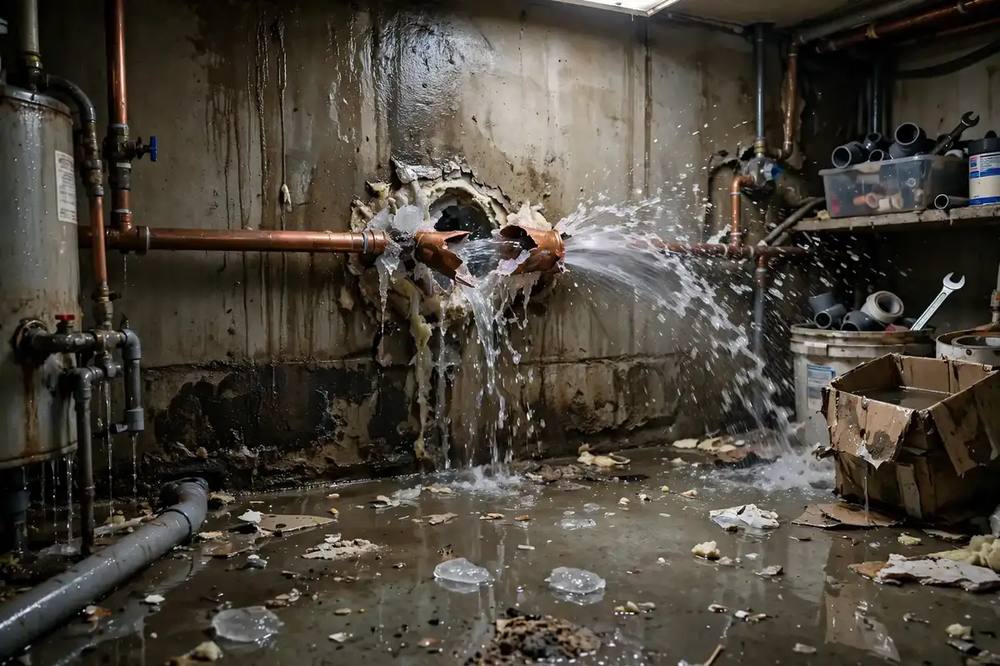
Fast extraction and drying when a pipe bursts in an attic, a wall, or under a slab.
Learn more about burst pipe cleanup in Rockwall, TXIf a storm has damaged your Rockwall home, call (945) 422-7610 any time, day or night. A local provider will talk through what has happened, explain what needs to happen next, and arrange a visit to your home in Rockwall County. Storm damage does not improve on its own, and water that is getting in will keep causing damage until it is dealt with, so make the call as soon as you can.
Rockwall storms run on a calendar. Dallas-Fort Worth gets 37.01 inches of rain in an average year, on the 1991 to 2020 climate normals. May is the wettest month at 4.78 inches, October follows at 4.37 inches, and July is the driest at 2.08 inches. Severe weather runs roughly April through June, and hail peaks in May. The area averages about 20 days a year at or above 100 degrees, and about 29 nights a year at or below 32 degrees.
The record shows what that calendar means. On December 26, 2024, the National Weather Service issued a flash flood warning for Rockwall County at 10:09 in the morning. On May 27, 2026, the Weather Prediction Center described a slow-moving band over the eastern Dallas metro with rainfall rates approaching 3 inches an hour, and estimated 6 to 8 inches of rainfall, especially in and near Sherman, McKinney, and Rockwall. The National Oceanic and Atmospheric Administration counts flash flooding in Rockwall on 24 days from 1996 through 2026, most recently in May 2026.
I-30 is the road that floods first. It is the main east-west route through Rockwall, crossing Lake Ray Hubbard on a causeway, and the December 2024 warning listed I-30 between mile markers 38 and 79. Providers use I-30, the President George Bush Turnpike, and SH-66 to reach homes across the county, and after a storm they ask which road you are near, because the answer says something about how the water reached you.
Call (945) 422-7610. The call connects you with an independent local provider serving Rockwall, Rowlett, Fate, and Heath. Describe what the storm did — the roof, the windows, the rooms that took water — and the provider can talk through what to check first and arrange a visit.
It is the work after a storm has damaged a home: checking the roof, gutters, siding, and windows outside, and the ceilings, walls, and floors inside, then removing water that came in, drying what got wet, and repairing what the storm broke. It covers roof leaks and damaged shingles, water through windows and doors, gutters pulled loose by wind, and drying for walls, ceilings, and floors that got wet.
One call connects you with a local provider serving Rockwall, Rowlett, Fate, and Heath. Tell the provider where the water is and what happened, and they take it from there.
Call (945) 422-7610Storm damage repair Rockwall TX covers water and structural problems caused by wind, hail and heavy rain, including roof leaks, damaged siding and water coming in through windows and doors. A provider will inspect the roof and the affected rooms, find where water is entering, and plan the repair and drying. The work often includes removing water, drying the structure and repairing the damaged area.
Roof leaks after a storm are often caused by wind lifting shingles, hail cracking or denting roofing materials, or heavy rain finding its way under damaged flashing. A small leak can let in a surprising amount of water over several hours. A provider will look at the roof from outside and at the ceiling and walls inside to find the entry point.
If it is safe to do so, place a bucket or container under the drip and move furniture and valuables away from the wet area. Take photos of the leak, the ceiling stain and any damaged belongings. Do not climb onto a wet roof, and do not enter a room where the ceiling is sagging. Call a local provider and describe what you can see.
Hail can crack shingles and tiles, dent metal roofing and gutters, and damage siding and windows. The damage is not always visible from the ground, and a roof can look fine while hail has broken the surface of the roofing material. A provider will inspect the roof closely and check inside the home for signs of water coming in.
Wind can lift shingles, tear off sections of roofing, damage gutters and push rain in around windows and doors. It can also bring down tree branches that strike a roof or a wall. Even a short period of high wind can leave a roof open to the next rain, so a roof that was damaged in one storm can leak in the next.
Yes, you can call any time, day or night, including weekends. A local provider will take your details, ask what the storm damaged and whether water is still coming in, and arrange a visit. If water is still entering the home, mention that on the call so the provider can advise on what to do first.
Pipes in attics and outside walls freeze first, so insulate those runs before winter. On a freezing night, let a faucet drip and open cabinet doors under sinks on outside walls. Find your main shut-off valve now, before an emergency, and show everyone in the household where it is. Rockwall winters are mild most of the time, which is why a cold snap catches so many homes out. Winter Storm Uri in February 2021, when Dallas-Fort Worth hit minus 2 degrees, is the freeze everyone here still measures against.
If you see water, smell mustiness, or hear running water when nothing is on, call now. Water damage does not wait, and neither should you.
Call (945) 422-7610Calls answered any time, day or night — including nights, weekends, and holidays.