
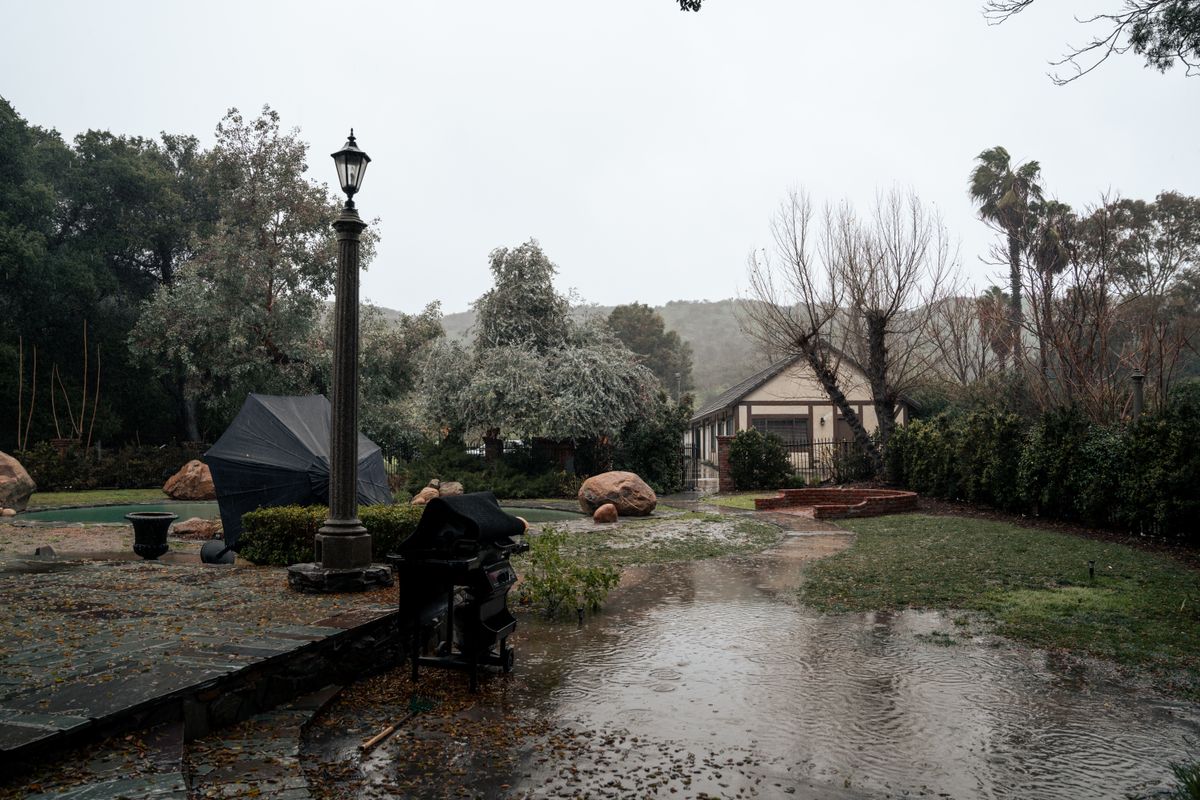
When floodwater comes into a Rockwall home, the first job is getting it out. Flood water extraction in Rockwall, TX means removing standing water with pumps and extractors, and it is the step everything else depends on — drying cannot start properly while water is still standing, and every hour the water sits, it soaks deeper into floors, walls, and furniture.
This guide explains how floodwater extraction works in homes around Lake Ray Hubbard, what flood water removal and flood water cleanup involve after a storm, and what to do while you wait for a provider. If your home has standing water now, call (945) 422-7610. Calls are answered any time, day or night.
Updated: November 2026
What Floodwater Extraction in Rockwall, TX Means
Floodwater extraction is the removal of standing water from a home after a flood. The water may come from a storm that pushed water through doors and low windows, from street water that collected against the house, or from lake water that rose into a lakeside home. Whatever the source, the job is the same: get the water out, then dry what it touched.
Extraction is different from drying. Extraction removes the water you can see. Drying removes the moisture you cannot see, from inside walls, under flooring, and inside insulation. Both matter, but extraction comes first, because a dehumidifier cannot dry a room that still has standing water in it. The faster the water comes out, the less of the home has to be opened up or replaced.
Flood Water Removal Rockwall TX: How the Water Comes Out
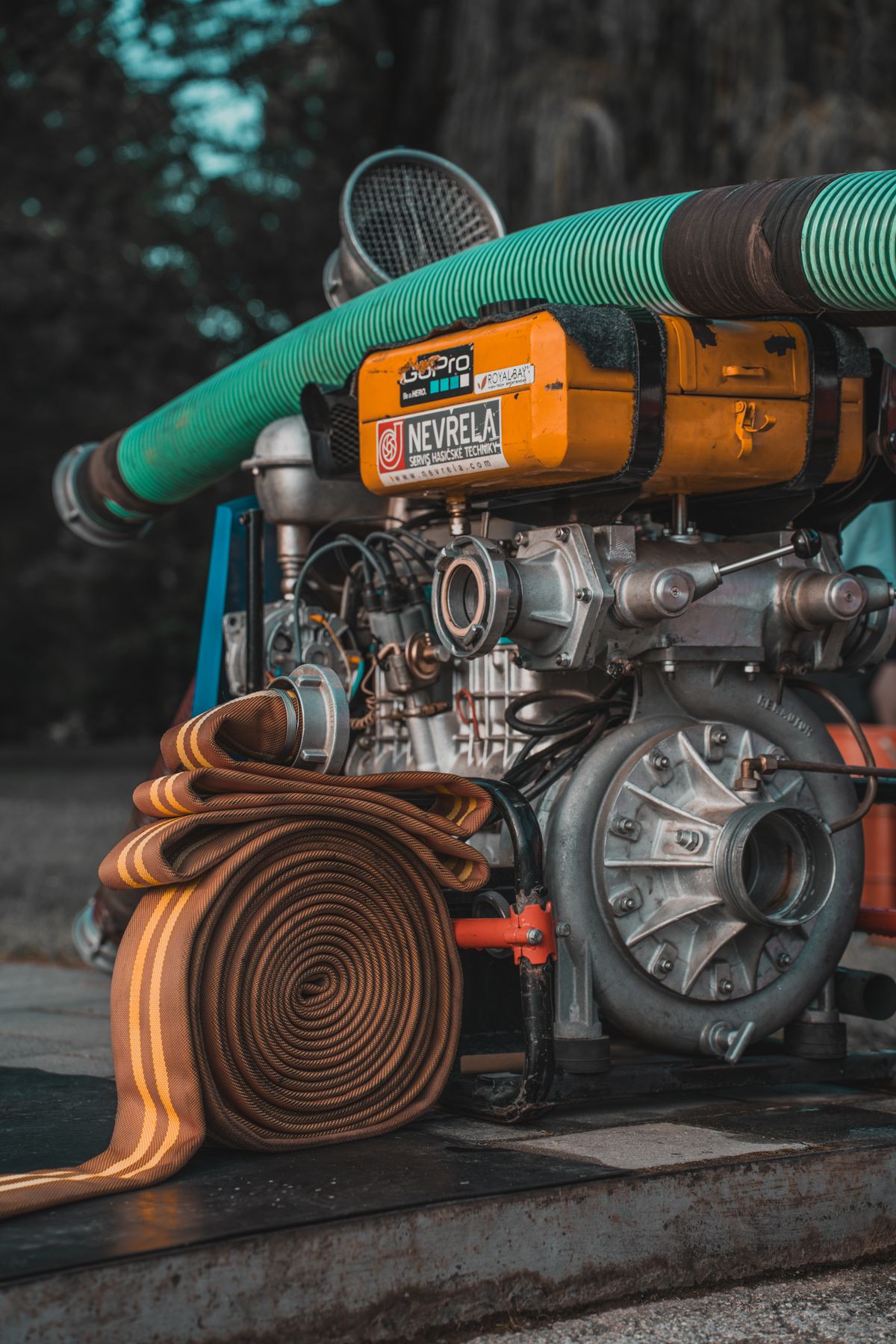
Deep water comes out with pumps. A submersible pump sits in the standing water and pushes it through a hose to the outside, where it drains away from the house. For water that is only a few inches deep, or for water that has soaked into carpet and flooring, extractors do the work — machines that pull water out of floors, carpets, and upholstery with a wand, the way a powerful vacuum pulls water instead of dust.
Furniture and rugs are moved out of the water first, and wet carpet is lifted so the pad underneath can be reached. The kind of water matters for how the job is handled. Clean water comes from a supply line. Gray water comes from a dishwasher or washing machine. Black water comes from sewage or from floodwater that has run across streets and yards, and it can carry bacteria and chemicals. Floodwater is usually gray or black water, which is why providers wear protective gear and why homeowners should stay out of it.
The size of the job decides the equipment. A single flooded room may need one extractor and a few hours of work. A whole ground floor after a storm needs pumps, several extractors, and a crew. Either way, the goal is the same: no standing water left anywhere, including under furniture, inside closets, and behind doors that were closed when the water came in.
Why Speed Matters After a Flood
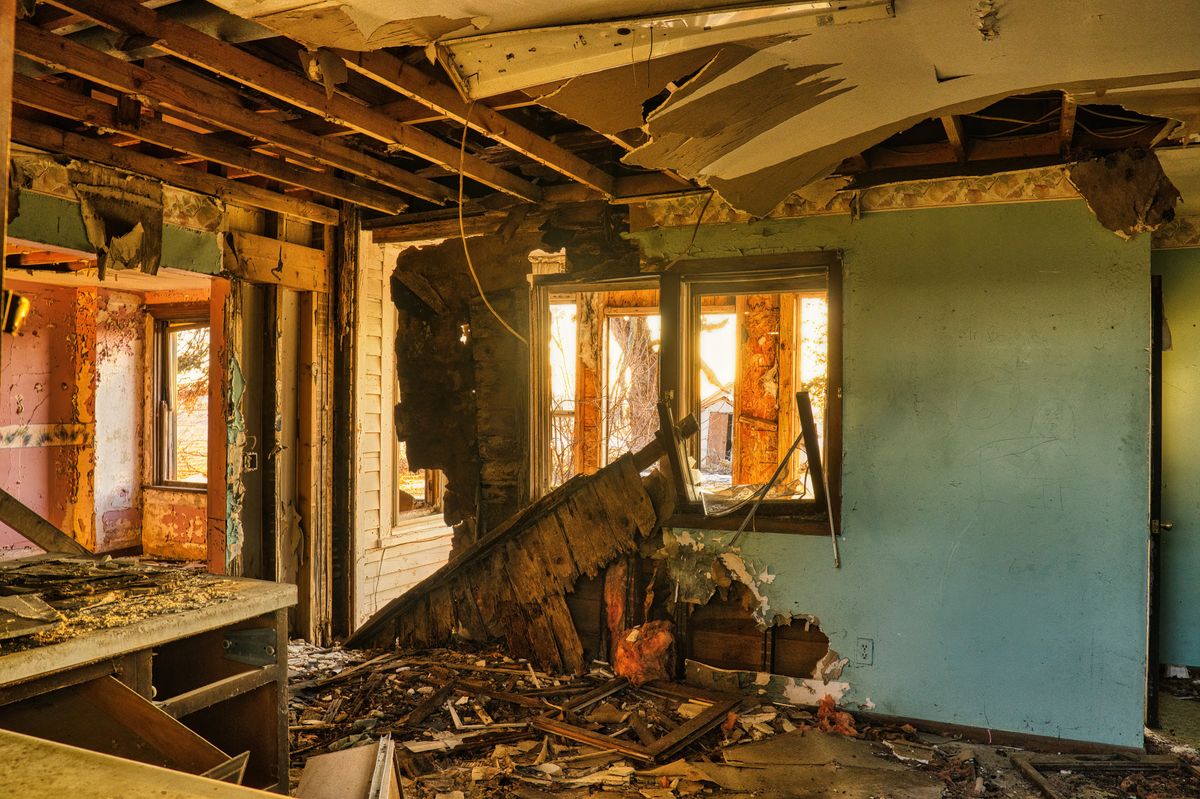
Water does not sit still. In the first hours it soaks into drywall, which wicks water upward from the floor. It swells wood floors and subfloor, soaks carpet pad, and fills the insulation inside walls. The longer it sits, the further it travels, and the more material has to be removed instead of dried.
Mold follows close behind. Mold can start growing on damp drywall and wood within a day or two of a flood, and in the warm, humid air around Lake Ray Hubbard it does not need much encouragement. That is why providers treat extraction as a same-day job rather than a next-week job. The water that comes out today is the mold that does not grow tomorrow.
Rockwall storms make speed harder. When a storm drops heavy rain in a short time, streets along the I-30 corridor and SH-205 collect water, and homes at the bottom of a slope or near the lake take it in first. If your street has flooded before, it will flood again, and the time to think about what you will do is before the next storm, not during it. Keep the provider number where you can find it in the dark: (945) 422-7610.
Flood Water Cleanup Rockwall TX: What Happens After Extraction
Once the standing water is out, the drying starts. Air movers push dry air across wet floors and walls, and dehumidifiers pull the moisture out of the air. Moisture readings are taken in the walls, floors, and subfloor, and the equipment stays running until the readings show the structure is dry. Rushing this step is how mold starts behind a wall that looks dry on the surface.
Cleaning comes with drying. Floodwater is not clean water, so every surface it touched needs cleaning as well as drying. Hard floors are washed, and soft materials are checked to see whether they can be saved. Drywall and insulation that soaked through are often removed, because they hold water and dry slowly. Carpet pad that sat in floodwater is usually removed too, while the carpet itself may be cleaned and dried if the water was clean.
Hidden moisture is the part homeowners miss. Water gets behind baseboards, under flooring, and inside wall cavities, where it keeps soaking long after the room looks dry. A provider checks those places with a moisture meter and, where needed, opens a small section of wall to check inside. Finding that moisture early is the difference between a drying job and a rebuild.

Flood Damage Cleanup Rockwall TX: Rooms That Need Extra Attention
Kitchens need care because water gets under cabinets and into toe-kicks, where it sits against the subfloor. Bathrooms hide water under tubs and around toilets. Bedrooms with carpet hold water in the pad long after the surface feels dry. On slab foundations, water can travel under flooring across a whole room, so the wet area is often bigger than it looks.
Lakeside homes around The Harbor and The Shores face a different problem: water that comes in through shared walls in condos, or that rises from the lake side of the house. Garages take water through the door and hold it against the slab, and air conditioning closets on the ground floor can flood when the drain backs up. Wherever the water came in, the rooms it touched need the same treatment: extraction, drying, readings, and cleaning.
What Homeowners Can Do While Waiting
Do only what is safe. Do not enter standing water near outlets or appliances, and turn off power to wet rooms if you can reach the breaker safely. Do not use a household vacuum on water — it is not built for it and it can be dangerous. Move dry rugs, electronics, and paperwork off wet floors, and take photos of every wet room for your records.
Note when the water came in and how deep it got, and keep receipts for anything you buy for the cleanup. Do not throw away damaged items until you have photographed them and spoken to your insurer. And do not wait to see if the room dries on its own — in Rockwall humidity, water trapped under flooring will not dry on its own. It spreads.
What to Do Next
If your Rockwall home has standing water, call (945) 422-7610 now. A local provider can explain what to do first, what to stay away from, and how the extraction and drying usually go. The call connects you with a provider serving Rockwall, Rowlett, Fate, and Heath.
Once the water is out, watch for mold in the rooms that stayed damp — see our guide to mold remediation in Rockwall, TX for what to look for. For the full service, see our flood damage restoration page.
If your home has standing water, do not wait. Call (945) 422-7610 any time, day or night, and connect with a local provider who can get the water out and start the drying.
Where Rockwall's Flood Water Comes From
Rockwall's flood water comes from three places, and the source matters. The first is the sky: a storm that drops heavy rain in a short time overwhelms gutters and street drains, and water pools against foundations and runs under doorways. The second is the ground: runoff from a slope, a driveway, or a street that drains toward the house instead of away from it. The third is the water itself: Lake Ray Hubbard and Squabble Creek, where low lots and shoreline homes take water when the lake rises or the creek runs high.
The risk spots are specific. Lakeside Drive in Lake Rockwall Estates sits in the 100-year floodplain. Squabble Creek runs about 4.2 miles from springs near the municipal airport to the lake, and its South Prong tributaries carry floodplain lines. Buffalo Creek and Little Buffalo Creek run toward Heath. Low lots along the lake shoreline take water when the lake rises.
The record backs it up. The National Oceanic and Atmospheric Administration counts flash flooding in Rockwall on 24 days from 1996 through 2026, most recently in May 2026. On May 27, 2026, the Weather Prediction Center estimated 6 to 8 inches of rainfall, especially in and near Sherman, McKinney, and Rockwall, with rainfall rates approaching 3 inches an hour. On December 26, 2024, a flash flood warning went out for Rockwall County at 10:09 in the morning.
How does flood water extraction work in Rockwall, TX?
Deep water comes out with pumps, and shallow water and soaked flooring come out with extractors. Then the drying starts: air movers push dry air across wet surfaces, and dehumidifiers pull the moisture out of the air. Flood water is contaminated, so it is treated as Category 3 water, and every surface it touched needs cleaning as well as drying. Hardwood floors usually take 7 to 10 days to dry, and up to one to three weeks. A concrete slab takes a week or more. Carpet and pad usually take 2 to 4 days if the water was clean and the work started quickly.
Call (945) 422-7610 — Any Time, Day or Night
One call connects you with a local provider serving Rockwall, Rowlett, Fate, and Heath. Tell the provider where the water is and what happened, and they take it from there.
Call (945) 422-7610Frequently Asked Questions
How fast should floodwater be extracted?
As fast as possible. Every hour standing water sits, it soaks deeper into floors, walls, and furniture, and mold can start growing on damp drywall and wood within a day or two. Call (945) 422-7610 as soon as you see standing water, rather than waiting to see whether it goes down on its own.
Can I extract floodwater myself with a wet vacuum?
A small amount of clean water can be handled with a wet vacuum, but deep water or dirty floodwater needs pumps and extractors, plus protective gear. Floodwater is usually gray or black water and can carry sewage and chemicals. If the water is deep, dirty, or near outlets, stay out of it and call a provider.
Is floodwater safe to touch?
No. Floodwater that has run across streets and yards can carry sewage, bacteria, and chemicals, as well as sharp debris you cannot see under the surface. Avoid contact with it, keep children and pets away, and wash up with soap and water if you do touch it.
How long does drying take after floodwater extraction?
It depends on how deep the water was, what materials it soaked, and how humid the air is. Air movers and dehumidifiers run until moisture readings show the walls, floors, and subfloor are dry. A provider can tell you what to expect once the readings are taken.
Will my floors and drywall need to be removed?
Sometimes. Drywall and insulation that soaked through are often removed, because they hold water and dry slowly, and carpet pad that sat in floodwater is usually removed too. What can be saved is cleaned and dried. A provider decides from the moisture readings, not from a guess.
Does insurance cover flood water extraction in Rockwall?
Flood damage from storms usually needs separate flood insurance, while sudden water losses such as a burst pipe are often covered under a homeowners policy. Document when the water came in, take photos of every wet room, and ask your adjuster for a written answer about your particular policy.
What tools are used for water damaged floor removal?
Pumps and extractors take the standing water out first. Then the provider uses pry bars and saws to lift wet flooring, cut out soaked drywall, and pull up wet padding, so the structure underneath can dry. Air movers and dehumidifiers do the drying, and a moisture meter checks the readings until the wood and slab test dry. The tools are simple. The readings are what decide what comes out.
How is hidden moisture located after a flood?
A provider uses a moisture meter on the walls, floors, and cabinets, and on some jobs a thermal camera shows where the moisture sits. Flood water runs sideways under flooring and down through ceilings, so the wet area is usually bigger than the room you can see. Readings are compared with dry areas of the same home, and anything that tests wet stays in the drying plan.
Does a slab-on-grade subfloor need to be replaced after flooding?
A concrete slab can usually be dried and kept, though it takes a week or more of drying. Wood subflooring that soaked up flood water often has to come out, because it cannot be dried and cleaned reliably once it is saturated. A provider reads the subfloor with a moisture meter and tells you what can stay and what has to go.