
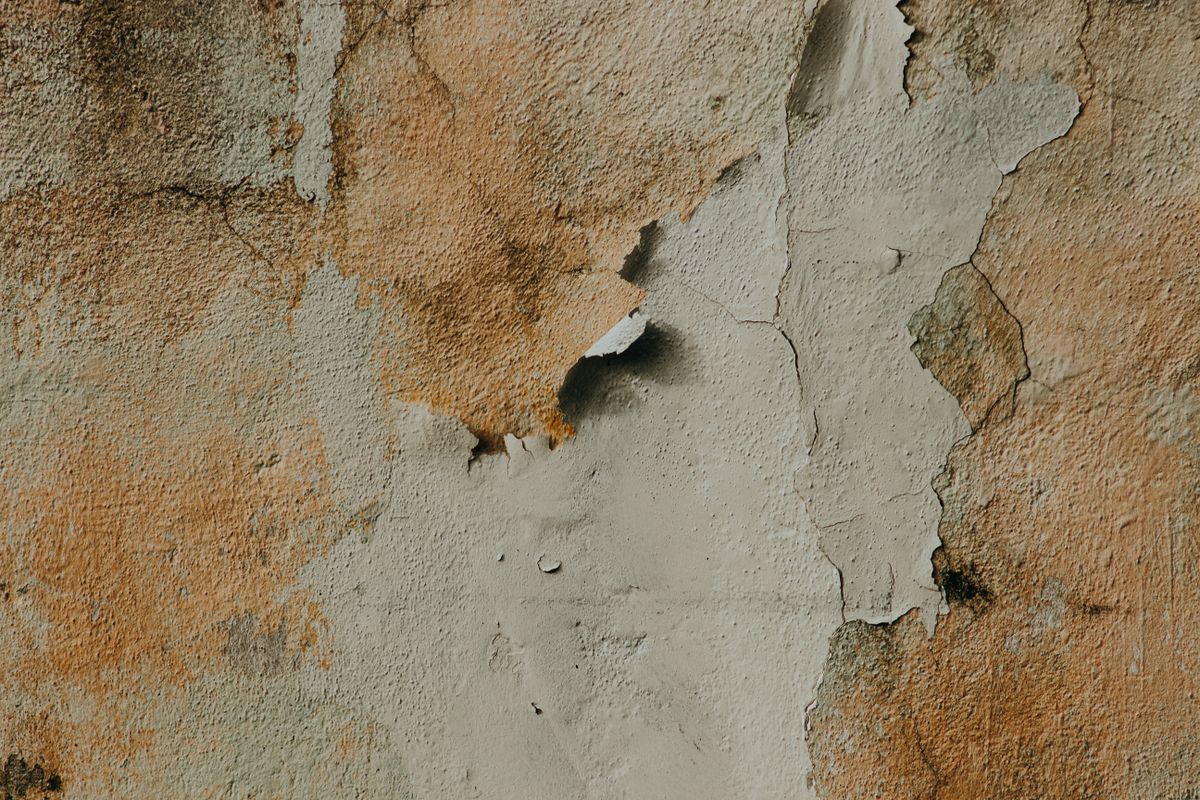
Mold in a Rockwall home usually starts the same way: water gets in where it should not be, and stays wet. A slow leak under a sink, a roof leak after hail, condensation from an air conditioning drain, or storm water under a door can leave drywall, wood, or carpet damp long enough for mold to grow. In a lakeside town with high summer humidity, that can happen faster than most homeowners expect.
This guide explains mold remediation in Rockwall, TX in plain terms: where mold hides here, what remediation involves, what you can safely do first, and when to call a local provider. If you found this page after searching for mold remediation near me, the short answer is that the moisture must be found and fixed first — cleaning the spots you can see is only part of the job. Call (945) 422-7610 any time, day or night, to connect with a provider serving Rockwall.
Updated: November 2026
Why Mold Grows So Fast in Rockwall Homes
Lake Ray Hubbard sets the pattern for the whole town: warm, humid air sits over the lake for much of the year, air conditioning runs for months, and cold ductwork and drain lines sweat in the heat. A clogged drain line or a leaking duct leaves moisture in an attic or closet where nobody looks, and mold follows the damp.
Most Rockwall homes sit on a concrete slab, which hides leaks well: a pinhole leak in a hot water line under the slab may never show as standing water. The first signs are a warm spot on the floor, a water bill that jumps, or a musty smell. Older homes near the Square have old pipes, while newer builds near SH-205 still get appliance leaks and water heater failures. Either way, the leak can run for days before anyone sees water, and by then the wall behind it is already damp.
Storms add to it: when a Texas storm drops heavy rain in a short time, gutters overflow and water finds the low spots. Homes at the bottom of a slope, and homes along streets where water collects, take in water through doors and low windows. If that water is not dried quickly, the rooms it touched stay damp, and damp rooms grow mold.
Where Mold Hides in a Rockwall Home
Mold grows where moisture stays, and the places it hides are the places homeowners check least. Bathrooms come first — around the tub, under the sink, behind the toilet — where small leaks keep the floor damp. Kitchens come next, under the sink and behind the dishwasher, where a slow leak can soak a cabinet base for weeks.
Air conditioning closets and ductwork are common hiding spots, because the system runs so much of the year: a clogged drain line backs water into the closet, and a leaking duct blows damp air into a wall cavity. Attics hide mold after slow roof leaks.
The signs are usually small at first: a musty smell that does not go away after cleaning, a stain that grows a little each week, paint that bubbles or peels near the floor. Some people notice a stuffy nose or sneezing in the room. None of these proves mold on its own, but together they mean moisture is present, and moisture is what mold needs.
What Mold Remediation in Rockwall, TX Involves
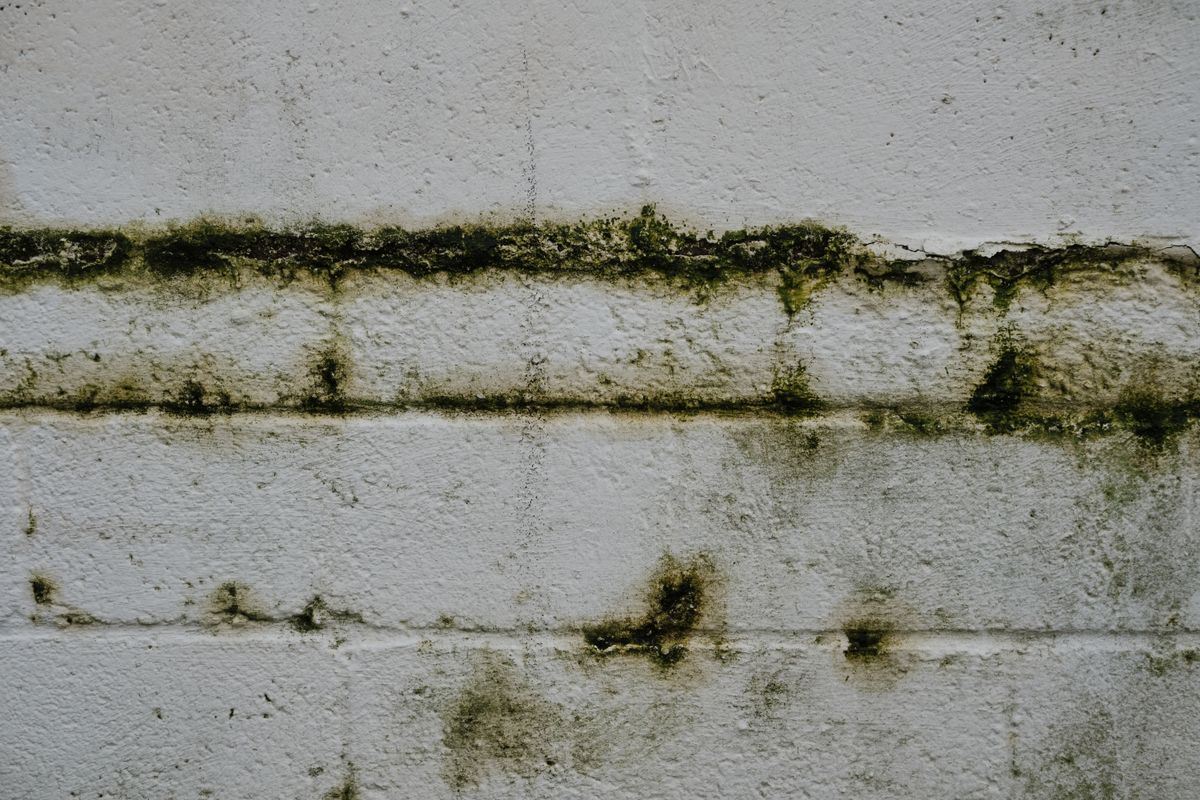
Mold remediation means finding the moisture, removing the mold growth, and drying the home so it does not come back. It starts with an assessment: a provider takes moisture readings in the walls and floors to find how far the water has spread, because the visible stain is rarely the whole story. The source of the water matters as much as the mold itself — a leak that is still running undoes any cleaning.
Next, the affected area is contained so spores do not spread: plastic sheeting goes up, and the space is kept under controlled airflow. Then the moldy material comes out: soaked drywall and insulation, carpet and pad that cannot be dried, and wood that is soft or crumbling. What can be saved is cleaned; what cannot be saved is removed.
After removal, the area is cleaned and dried with air movers and dehumidifiers until moisture readings show the structure is dry. A provider can explain what the work would involve for your home once the readings are taken — call (945) 422-7610 to connect with one.
Mold Removal Rockwall: What You Can Do First
If you find mold, the first job is to stop the water: turn off the supply to a leaking fixture if you can do it safely, or the main valve if you cannot find the source. Take photos of the stains, peeling paint, and wet areas, and note when you first saw them — that record helps a provider and your insurer.
Do not disturb a large moldy area: scrubbing or tearing out a big patch can spread spores through the house, and soaked drywall can fall apart in your hands. Small patches can be cleaned by a homeowner with soap and water, following U.S. EPA guidance, but a wide patch or mold that keeps coming back needs a provider. Do not paint over mold or cover a damp patch with furniture — both trap moisture inside.
Ventilation helps while you wait, but do not run the air conditioning if mold is growing near a vent or inside the ductwork — the system can carry spores to other rooms. If the mold is near the air handler, turn the system off and call.

Black Mold in Rockwall TX: What the Dark Spots Mean
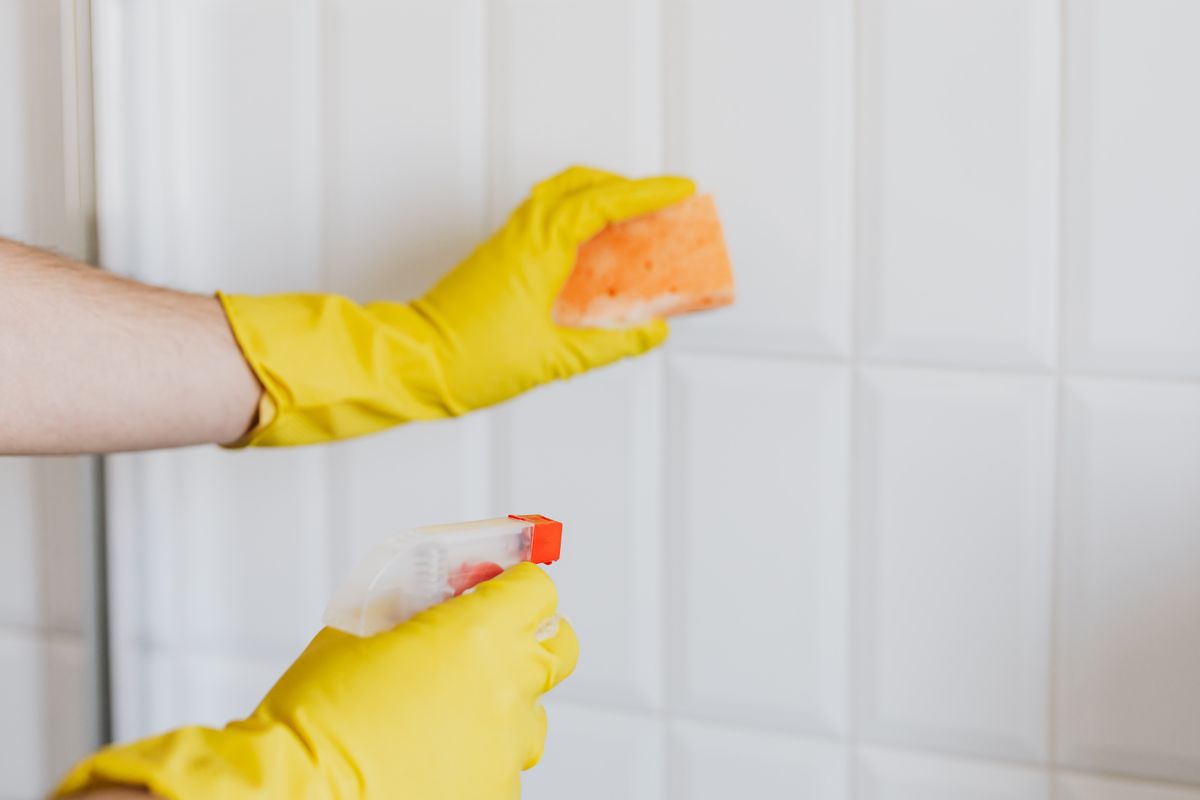
Dark spots on a wall or ceiling worry homeowners more than any other sign, and black mold gets used for almost any dark growth. But the color of mold does not identify what kind it is — only a lab test of a sample can do that. The dark spots you see are usually just the mold that grows most easily on damp drywall and wood.
The response is the same whatever the color: find the moisture, remove the growth, and dry the area. Testing is not needed for every job — it is useful when mold is widespread, when an insurer asks for it, or when you want a written record.
Mold affects people differently: the CDC says mold may cause a variety of health effects, or none at all. If someone in the home has breathing trouble, get the area checked sooner, and keep children and anyone with breathing trouble out of the room until it is cleaned.
Keeping Mold From Coming Back
Mold comes back when the moisture comes back, so prevention is mostly about keeping the home dry: fix leaks as soon as you find them, keep gutters clear, and make sure downspouts carry water away from the foundation. In summer, keep the air conditioning running and check the condensate drain line before the hottest months.
Inside, run the bathroom fan during and after showers, and check under sinks every few months for slow drips. Watch for slab-leak signs: a warm spot on the floor, a water bill that jumps, or running water when every faucet is off.
What to Do Next
If you have found mold in your Rockwall home, do not wait to see whether it spreads — it will, while the moisture is there. Take photos, stop the water if you can, and call (945) 422-7610 to connect with a local provider who can check the area with a moisture meter. An early check can keep a small patch from becoming a whole-room job.
If the mold started with a flood, read our guide to floodwater extraction in Rockwall, TX. For the service itself, see our mold remediation page for Rockwall homes.
If you have found mold in your Rockwall home, do not wait. Call (945) 422-7610 any time, day or night, and connect with a local provider who can check the area with a moisture meter and tell you what is really going on.
Mold After a Flood: What Changes
A flood changes the mold question. After a leak, mold grows where the water sat. After a flood, the water was everywhere, and it was contaminated. Flood water is treated as Category 3 water, and every surface it touched needs cleaning as well as drying. The U.S. EPA guidance is that mold starts 24 to 48 hours after water damage, so the drying clock after a flood is the same as after a leak, and the area to dry is bigger.
Rockwall's last big flood is recent. On May 27, 2026, the Weather Prediction Center estimated 6 to 8 inches of rainfall, especially in and near Sherman, McKinney, and Rockwall, with rainfall rates approaching 3 inches an hour. The National Oceanic and Atmospheric Administration counts flash flooding in Rockwall on 24 days from 1996 through 2026, most recently in May 2026. Homes that took water that day needed extraction first and drying second, and the rooms that stayed damp needed watching for mold in the days after.
Slab leaks feed mold the same way, more quietly. A supply-side slab leak is a copper pinhole leak, pressurized, running continuously. A drain-side slab leak is cast iron in older homes and PVC in newer homes, and it runs only when water goes down the drain. Either one spreads water through walls before it shows on the floor, and mold grows inside the wall where wiping the surface does nothing.
Drying times decide how much mold grows. Professional structural drying usually takes 3 to 7 days. Hardwood floors usually take 7 to 10 days, and up to one to three weeks. A concrete slab takes a week or more. Those are typical ranges, and the moisture readings in your home decide the real number.
Call (945) 422-7610 — Any Time, Day or Night
One call connects you with a local provider serving Rockwall, Rowlett, Fate, and Heath. Tell the provider where the water is and what happened, and they take it from there.
Call (945) 422-7610Frequently Asked Questions
How do I know if I have mold or just a stain?
A water stain is usually flat and brown, while mold often looks fuzzy or spotted and comes with a musty smell. Neither one can be identified for certain by looking. A provider can take moisture readings in the wall and tell you whether the area is damp enough for mold to grow, and whether the material needs to come out.
Is black mold in Rockwall TX dangerous?
The color of mold does not identify what kind it is, and only a lab test can name the type. The U.S. Centers for Disease Control and Prevention says mold may cause a variety of health effects, or none at all. Do not disturb a large moldy area, keep the room ventilated, and get it checked — especially if someone in the home has breathing trouble.
How long does mold remediation take?
It depends on how far the moisture has spread and what materials are involved. A small patch in one room is a shorter job than mold that has spread through a wall or into several rooms. A provider can tell you what the work would involve for your home once the moisture readings are taken.
Do I need mold testing before remediation?
Not always. Testing can be useful when mold is widespread, when an insurer asks for it, or when a homeowner wants a written record of what was found. For many jobs, a visual assessment and moisture readings are enough for a provider to explain what needs to be done.
Will mold come back after remediation?
It can come back if the moisture comes back. That is why finding and fixing the leak matters as much as the cleaning itself. Once the area is dry, keeping humidity down and keeping an eye on the spot where the leak happened are the best ways to keep it from returning.
Does homeowners insurance cover mold remediation in Texas?
It is often tied to a covered water loss, such as a burst pipe or a sudden leak, while mold from a long-term leak that was ignored often is not covered. Document when you first noticed the problem, take photos, and ask your adjuster for a written answer about your particular policy.
Should mold testing take place before work starts or after completion?
Both have a place. Testing before work starts can show whether mold is present and how far it has spread, which helps the provider plan the containment. Testing after the work is done checks that the area is dry and the mold is gone. A provider can explain which kind of testing fits your home when you call (945) 422-7610, and what the readings mean.
Is mold in my apartment likely to return after cleaning?
It can, if the leak underneath was never fixed. Mold grows where there is moisture, and wiping the spots off does not dry the wall behind them. If the musty smell comes back or the spots return after cleaning, the water source is still there. A provider finds the moisture with readings first, then the mold is cleaned, and the area is dried until it tests dry.
Is mold testing needed before or after sewage removal?
Sewage is Category 3 water, and the first job is the sewage cleanup itself: containment, removal, and sanitizing. Mold testing comes into it when the water sat long enough for mold to start, which can be as little as 24 to 48 hours. A provider can explain whether testing fits your home once the sewage is out and the area is dry. Call (945) 422-7610 and describe what happened.
Which materials need to leave your property?
It depends on the material and the water. Porous materials that soaked up flood water or sewage, like carpet padding, soaked drywall, and wet insulation, usually have to come out, because they cannot be dried and cleaned reliably. Hard surfaces can often be cleaned and kept. A provider decides room by room with moisture readings, and explains what has to go and what can stay.
How much does mold remediation cost?
It depends on how far the mold spread, what materials it reached, and whether the leak behind it is still running, so there is no figure to quote here. When you call (945) 422-7610, a local provider asks where the mold is, how long it has been there, and what the water source was, then explains what the visit usually involves and what happens next.
Can a landlord legally rent a house that has black mold in Texas?
That is a legal question, not a restoration question, and the answer turns on the lease and the facts of the home. What a provider can do is find the moisture, check how far the mold spread, and dry and clean the area once the leak is fixed. If you are renting and your landlord will not act, keep photos and a written record of when you reported it, and call (945) 422-7610 to talk through what the cleanup involves.
How do I safely clean a moldy house after a flood?
Start with safety. Flood water is contaminated, so wear gloves, eye protection, and a mask, keep children and pets out of the wet rooms, and do not use a household vacuum on water. Photograph everything before you clean. Dry the house within 24 to 48 hours if you can, and get porous materials that soaked up flood water out. If the mold covers a large area or the water was sewage, call (945) 422-7610 rather than cleaning it yourself.